International Conference dedicated to the 77th anniversary of the adoption of the UN Convention on the Prevention and Punishment of the Crime of Genocide: results of the first day
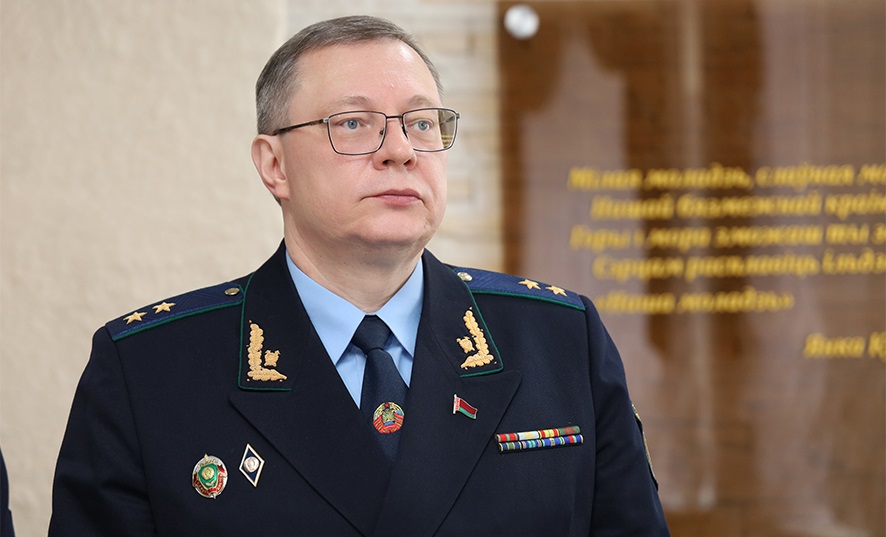
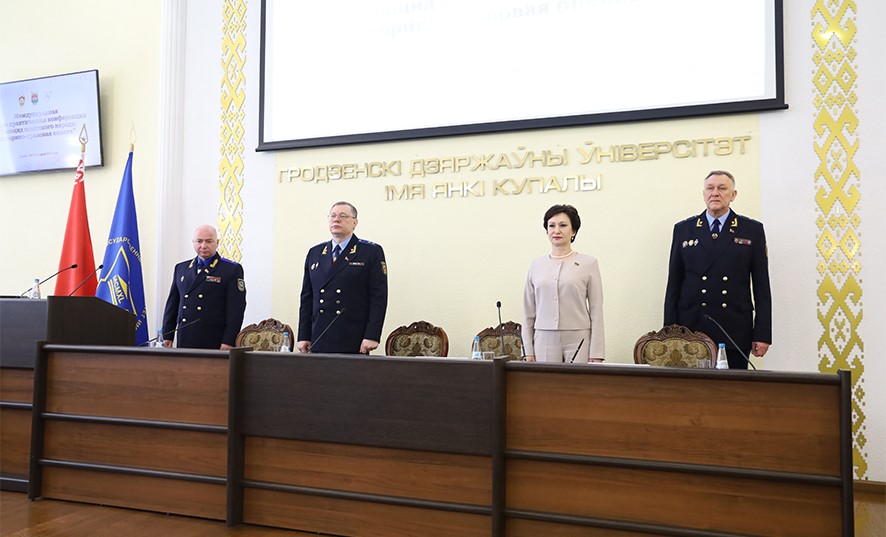
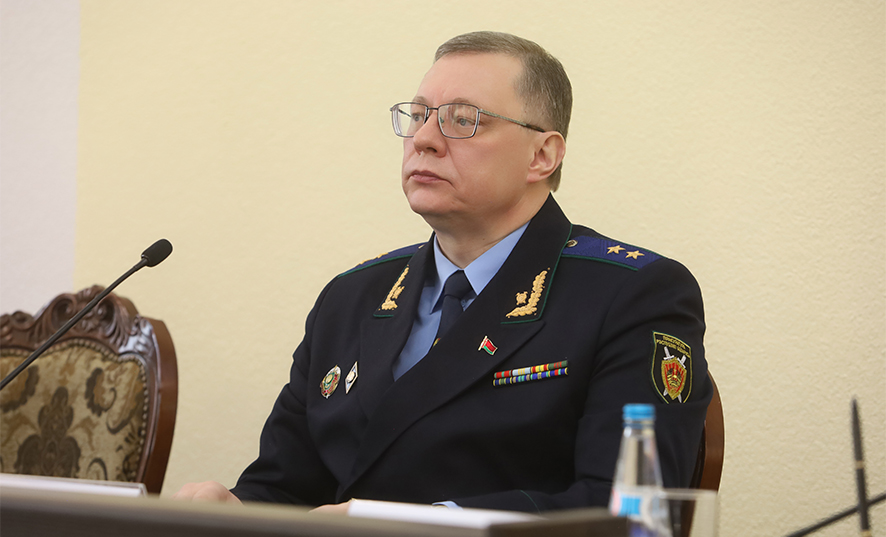
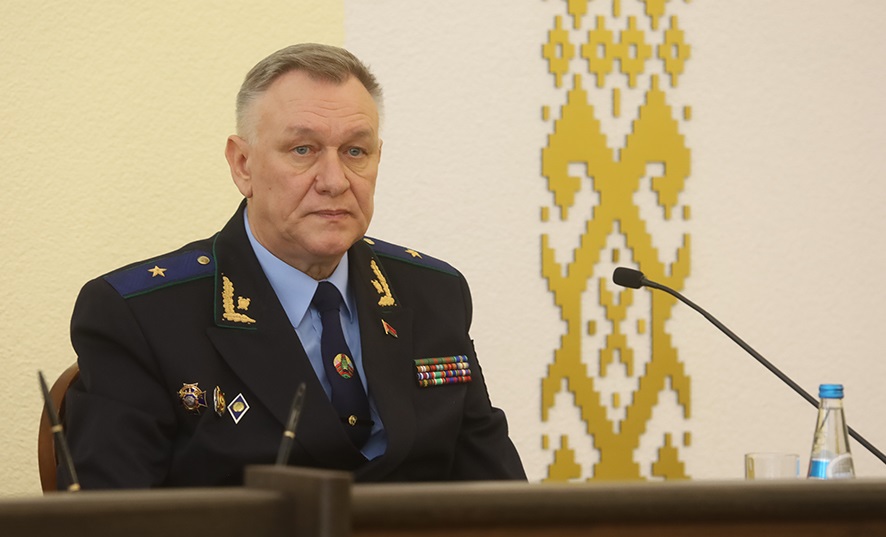
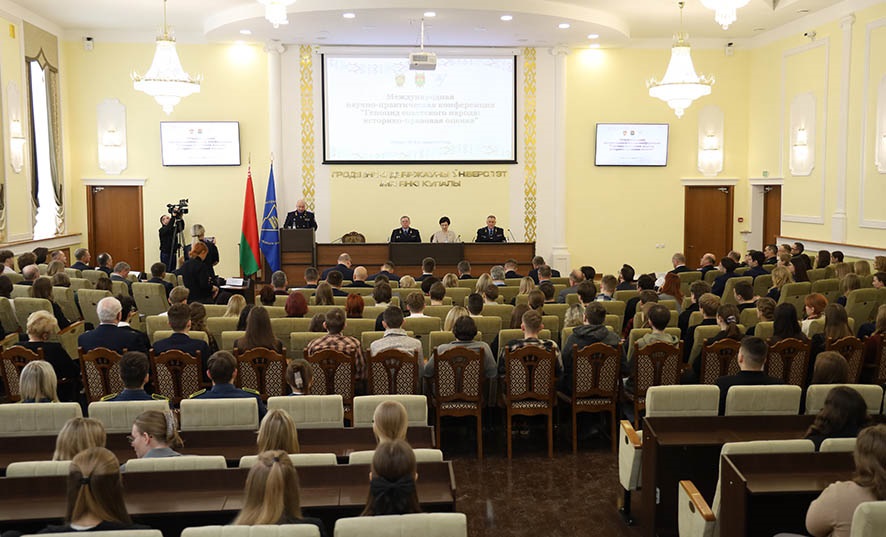
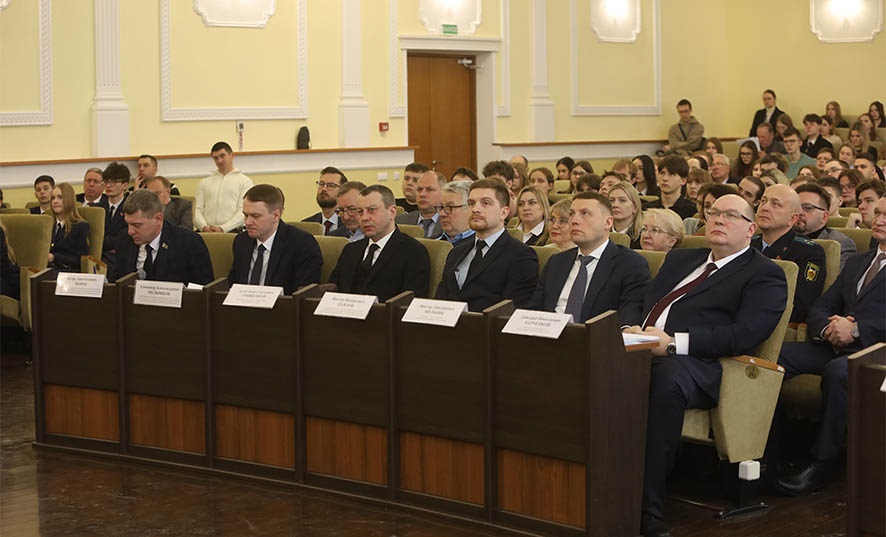
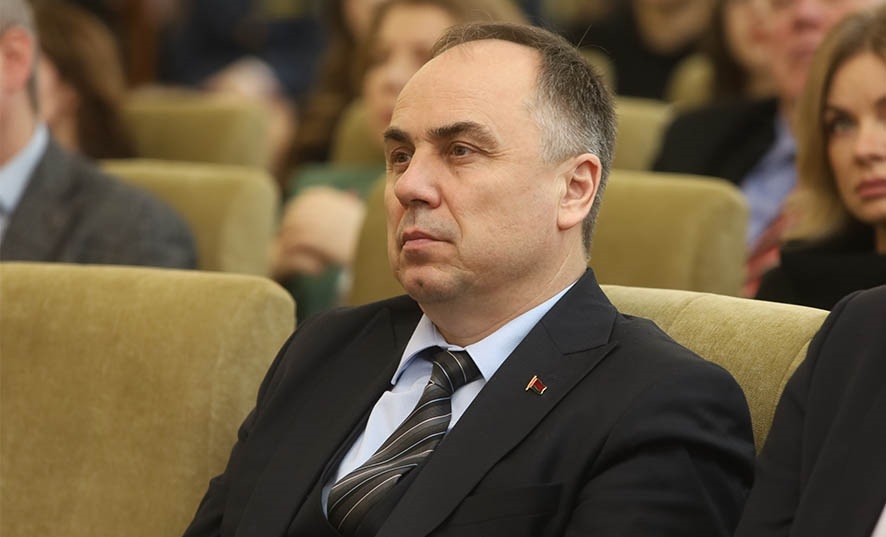
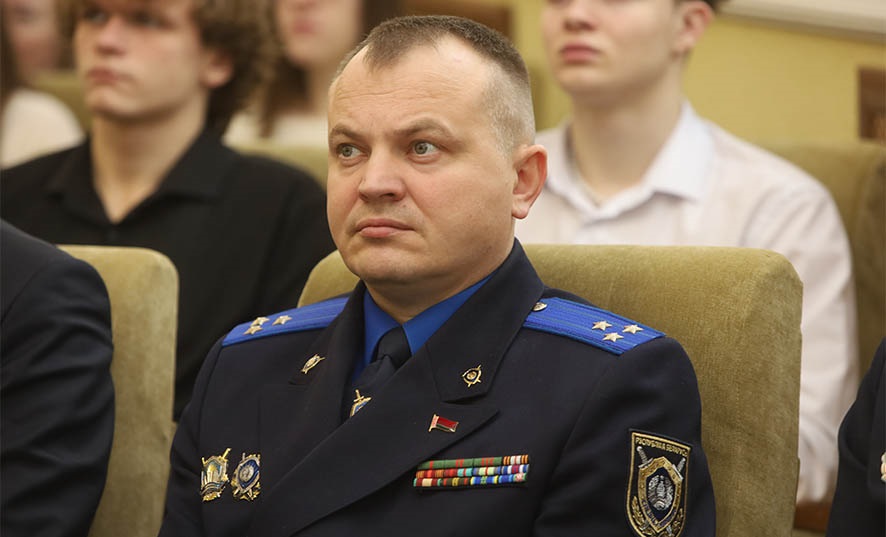
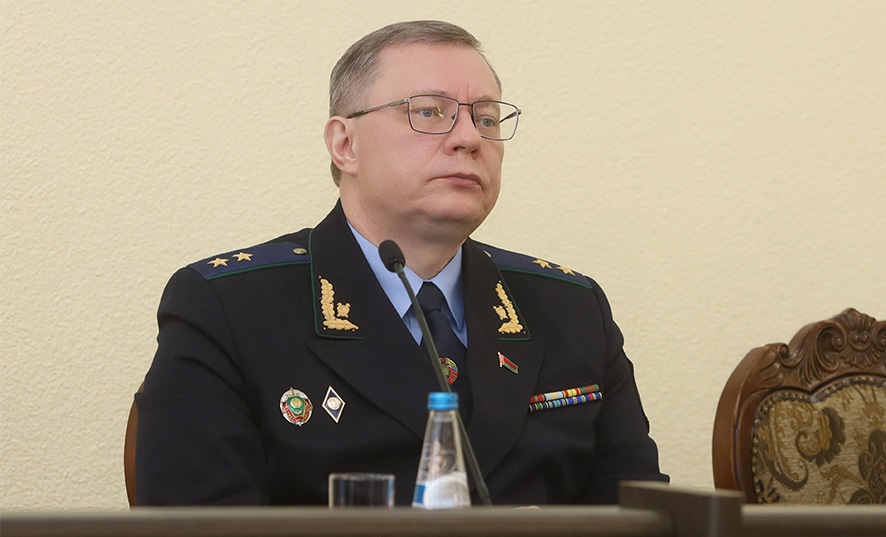
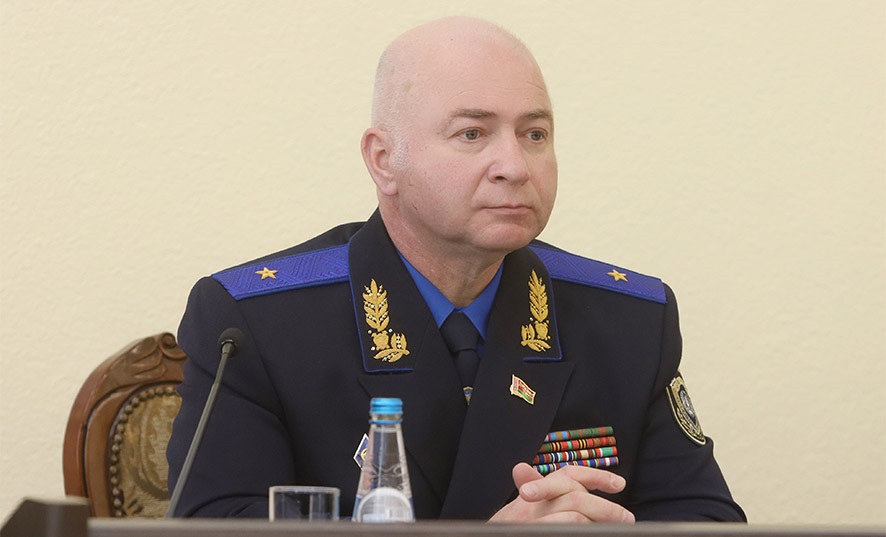
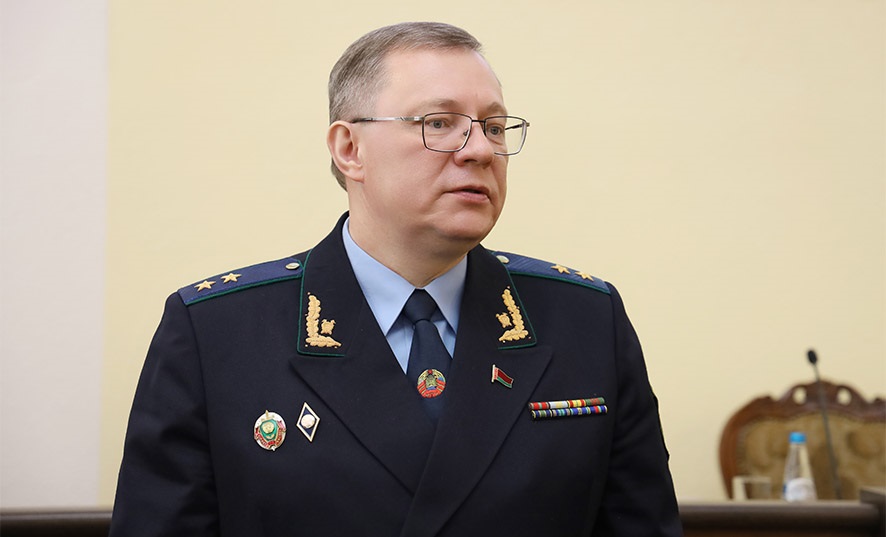
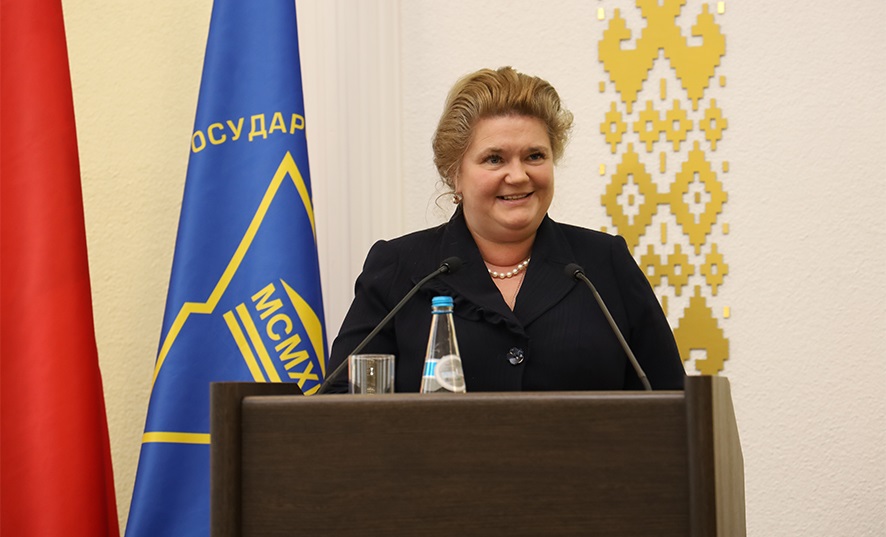
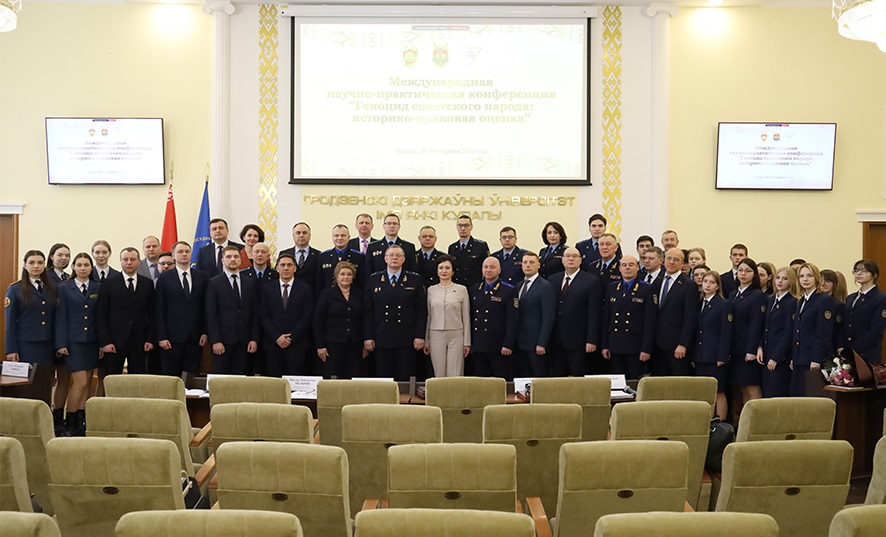
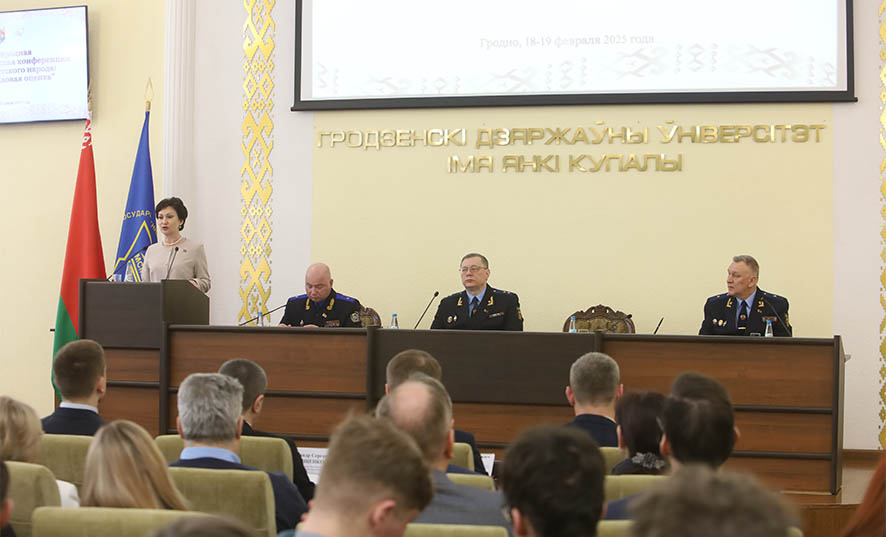
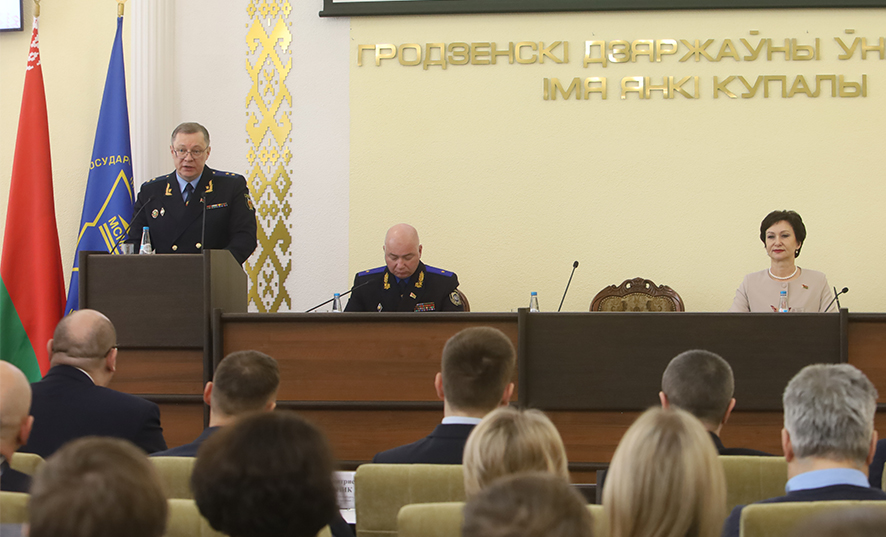
An International Scientific and Practical Conference “Genocide of the Soviet People: Historical and Legal Assessment” was launched with the participation of the Prosecutor General of the Republic of Belarus Andrei Shved at the Yanka Kupala State University of Grodno. The event was organized by the Prosecutor General’s Office of the Republic of Belarus, the State Institution “Scientific and Practical Centre for Problems of Reinforcing Law and Order of the Prosecutor General’s Office of the Republic of Belarus”, the Prosecutor’s Office of Grodno Region and the Yanka Kupala State University of Grodno.
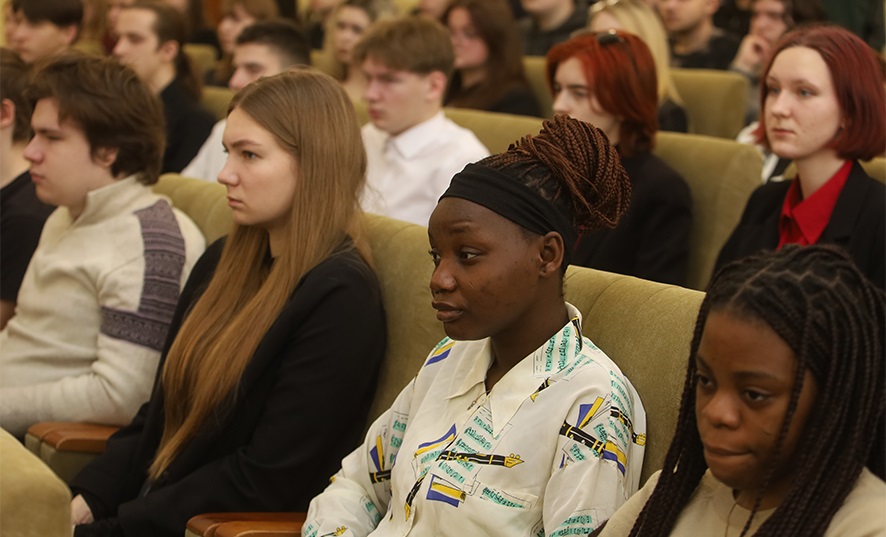
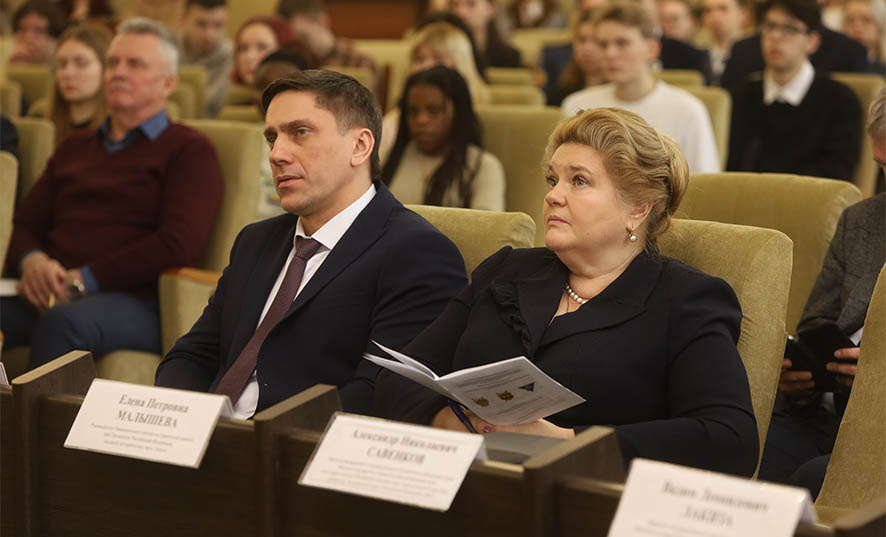
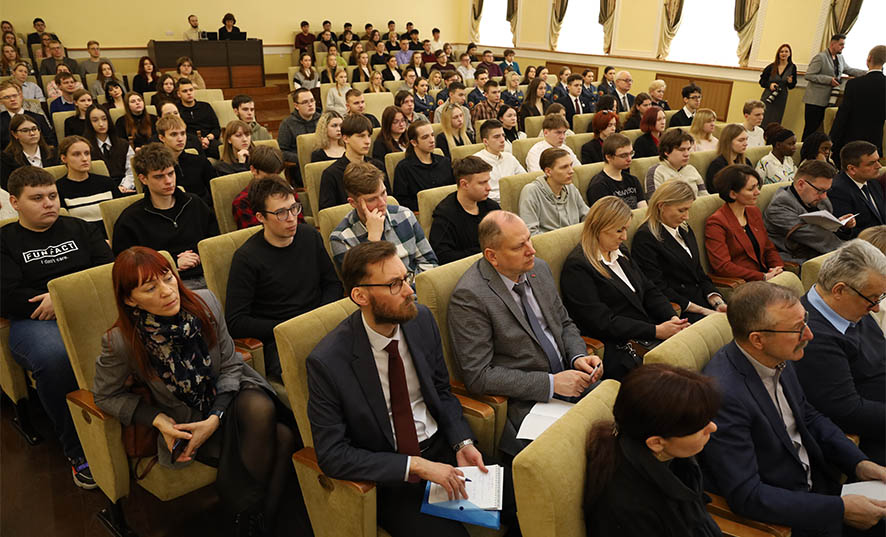
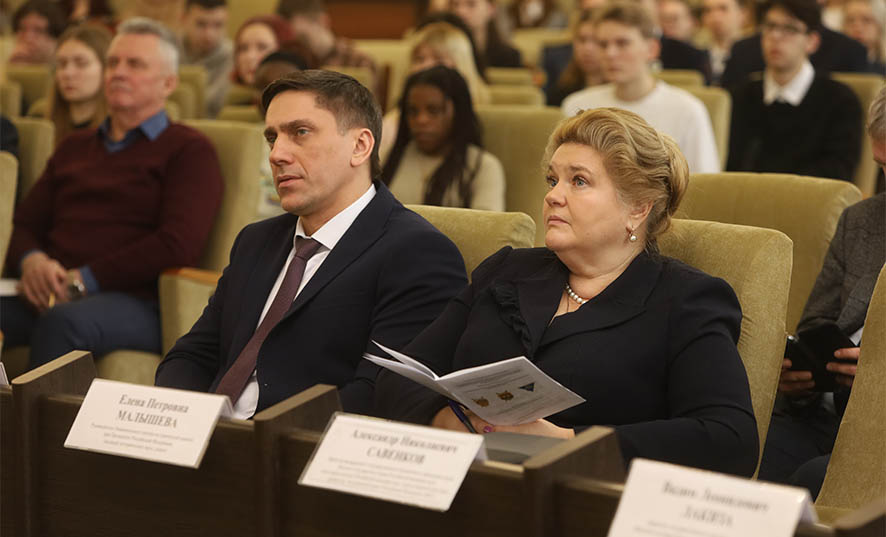
The conference was attended, among others, by Chairman of the Investigative Committee of the Republic of Belarus Dmitry Gora, Prosecutor of Grodno Region Aleksandr Zhukov, Prosecutor of Leningrad Region Sergey Zhukovsky, Prosecutor of St. Petersburg Viktor Melnik, Prosecutor of the Republic of Karelia Dmitry Kharchenkov, Deputy Prosecutor of Volgograd Region Aleksandr Grishchenkov, Head of the National Centre for Historical Memory under the President of the Russian Federation Elena Malysheva, representatives of the Prosecutor General’s Office of the Republic of Belarus and its Scientific and Practical Centre, the Prosecutor General’s Office of the Russian Federation, other prosecutors, prominent scholars and public figures, professors and students.
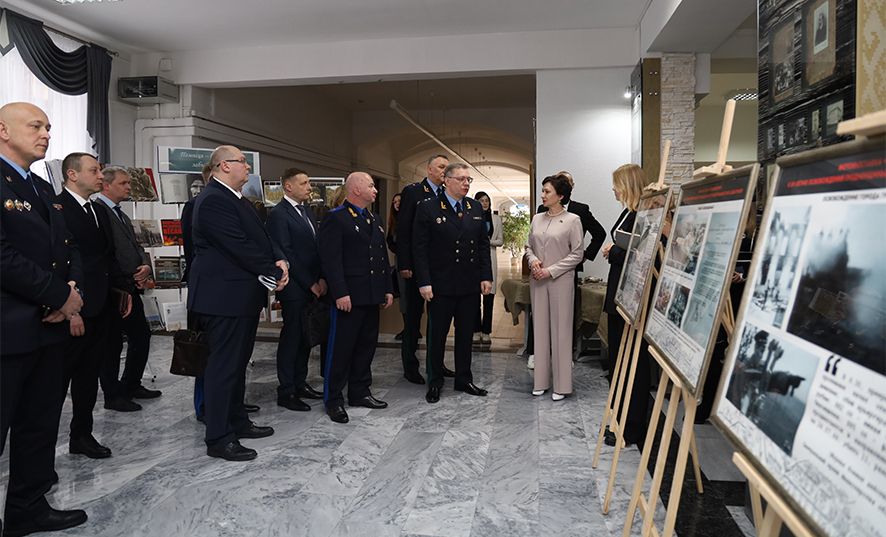
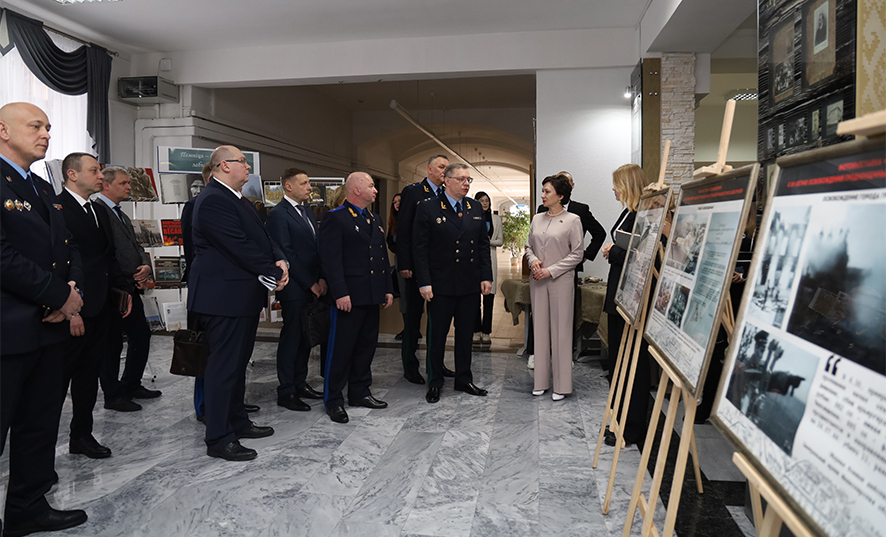
Before the beginning of the event, the participants got acquainted with the photo-documentary exhibitions organized by the Prosecutor’s Office of Grodno Region and students of the State University of Grodno within the framework of the interdisciplinary project “Genocide of the Belarusian People: Memory and Pain of the Grodno Land”.
Prosecutor General of the Republic of Belarus Andrei Shved, Chairman of the Investigative Committee of the Republic of Belarus Dmitry Gora, Prosecutor of Grodno Region Aleksandr Zhukov and Rector of the State University of Grodno Irina Kiturko addressed the participants of the conference.
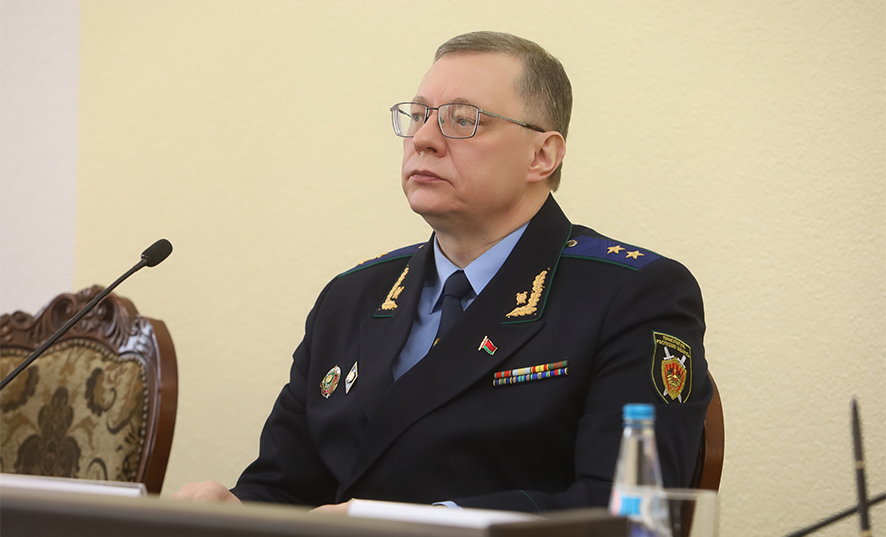
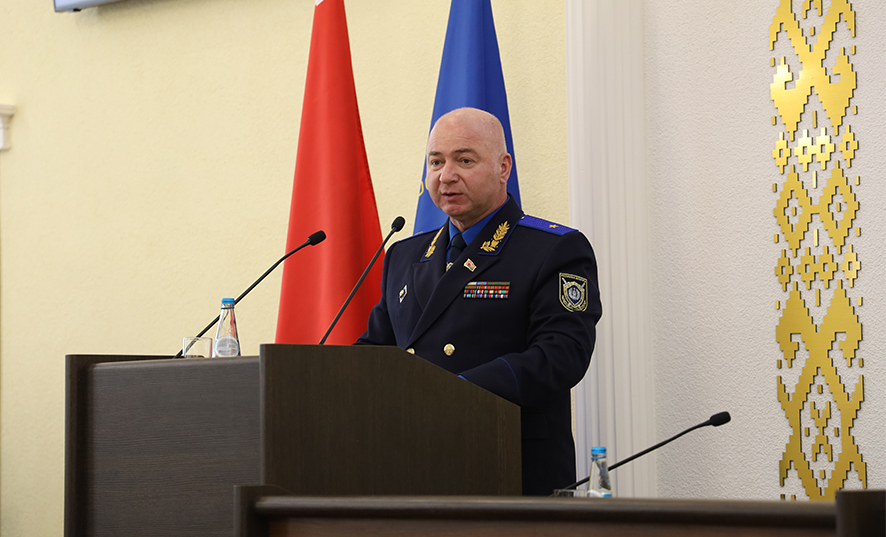
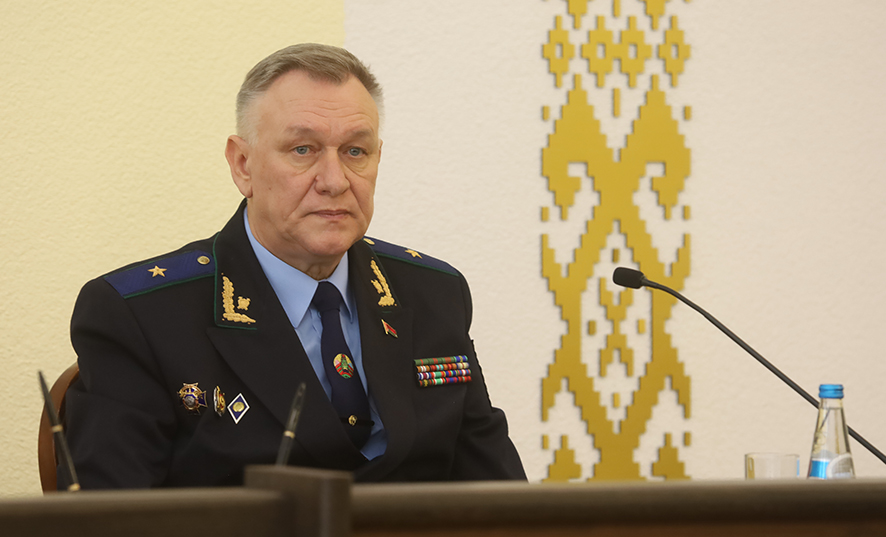
In particular, Andrei Shved noted that this conference was occasioned with the celebration of the 80th anniversary of the Victory in the Great Patriotic War. “The fight against Nazism has not come to an end. It is gaining momentum and requires decisive action by States. This is a consequence of the fact that the descendants of the Soviet victorious people have begun to forget the lessons of history due to the destructive information influence aimed primarily at the younger generation. A number of non-amicable States are currently carrying out direct propaganda of Nazi ideology, along with glorification of Nazi criminals and their accomplices and permissive interpretation of the events of the Great Patriotic War,” he said. “Within the framework of the investigation of the criminal case on genocide of the Belarusian people new facts of atrocities of the Nazi invaders on our land are being established, and the court decisions rendered are a necessary measure to fight against Nazism in legal terms, to counteract the glorification of Nazi criminals, to prevent the rehabilitation of Nazism and the repetition of Nazi practices”.
The Prosecutor General of the Republic of Belarus reminded that the scale of the tragedy of the BSSR population turned out to be much larger than previously thought: “This is evidenced not only by the results of the investigation of the criminal case, but also by the results of the national scientific project “Genocide of the Civilian Population of the BSSR during the Great Patriotic War: Historical and Legal Assessment”, according to which, if there had been no war, there would be about 17 million people living on the territory of Belarus now, i.e. 80% more than the current number of the country’s inhabitants. In this regard, the economy of our State is missing about half of the gross domestic product annually.”
Andrei Shved told about the awareness-raising work with the public:
- museum expositions are being created throughout the republic, including of physical evidence obtained in the course of the investigation;
- four books of the series “Genocide of the Belarusian People” were published in Russian and English;
- educational and patriotic events for children entitled “Letter about Belarus” are organized;
- visits by labor and educational groups to excavation sites of mass graves of genocide victims are organized;
- detailed data on burned villages, death camps and previously unknown sites of mass burial of genocide victims were established and entered into public maps.
“The problem of genocide during the Great Patriotic War is a complex one. It is necessary to involve specialists from various fields, including those from the Russian Federation, in its study. It is for this purpose that we have organized and are holding the International Scientific and Practical Conference. I am convinced that this event will make it possible to share positive experience in countering the falsification of history and rehabilitation of Nazism, to consolidate efforts in solving the problems of our time,” – summarized the Prosecutor General of the Republic of Belarus.
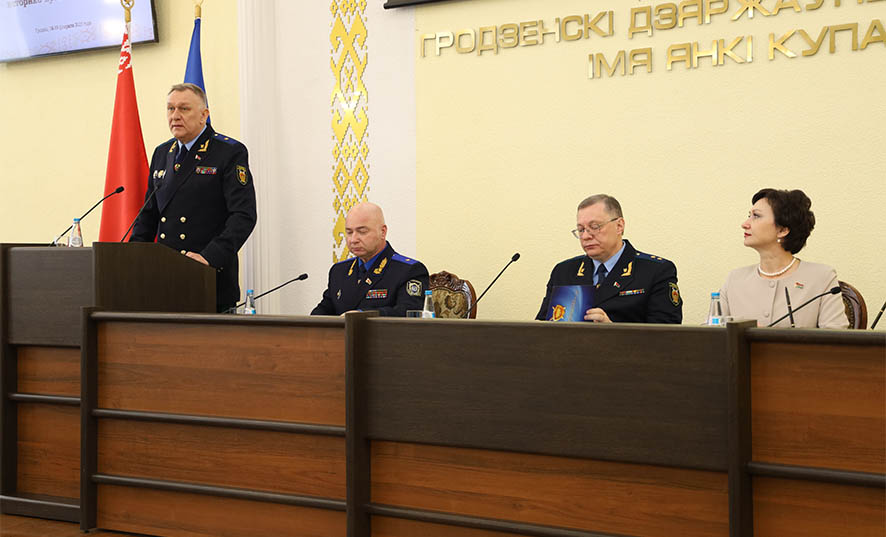
Prosecutor of Grodno Region Aleksandr Zhukov emphasized the relevance of the conference. He thanked those present for their participation in the event and readiness to share their experience, knowledge and views.
Elena Malysheva, Head of the National Centre for Historical Memory under the President of the Russian Federation, outlined her vision of joining efforts in communicating to the public important information obtained during the investigation of the criminal case on genocide of the Soviet people, its introduction into educational processes and exchange of experience in this field.
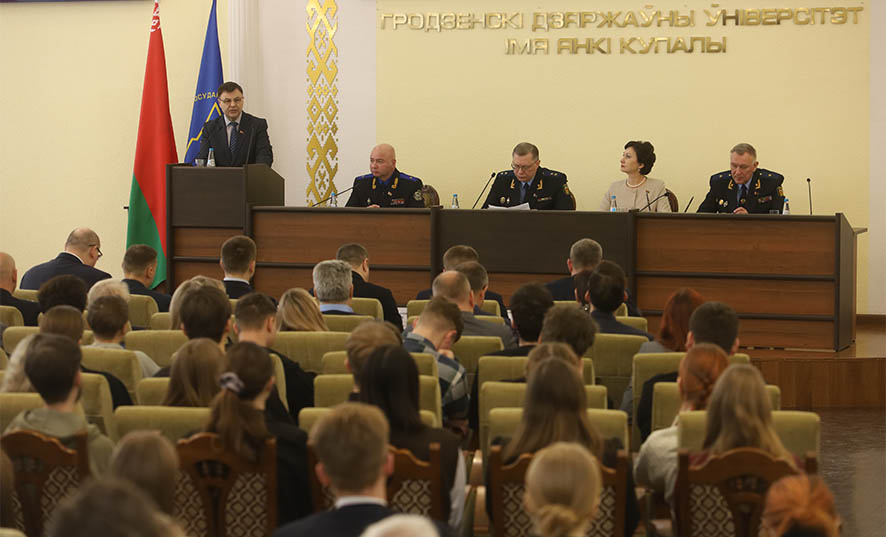
Viktor Belozorovich, Dean of the Faculty of History, Communication and Tourism of the State University of Grodno, spoke in his report about the interdisciplinary project “Genocide of the Belarusian People: Memory and Pain of the Grodno Land”, the purpose of which is to protect the historical truth and preserve it for the youth.
“The idea to launch such a project belongs to the Prosecutor’s Office of Grodno Region. Fruitful cooperation between students and prosecutors has opened new horizons in covering the difficult topic of genocide of the Belarusian people. It allowed to draw the attention of young people to the tragic pages of our country’s history more actively,” he said.
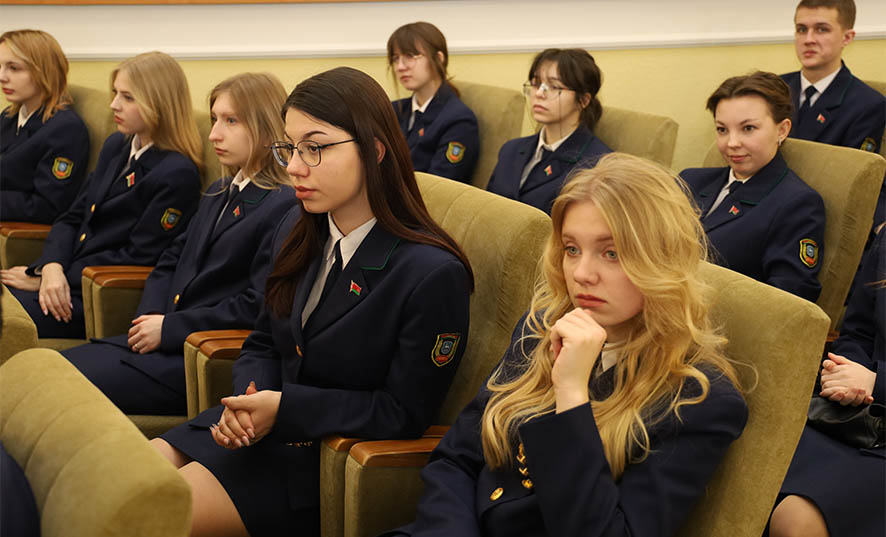
The documentary film “Without the Right to Oblivion”, prepared in such cooperation, was shown within the framework of the conference. The film reflects the events that took place on the territory of the BSSR during the Nazi occupation, including the participation of the Nazi punisher Serafimovich.
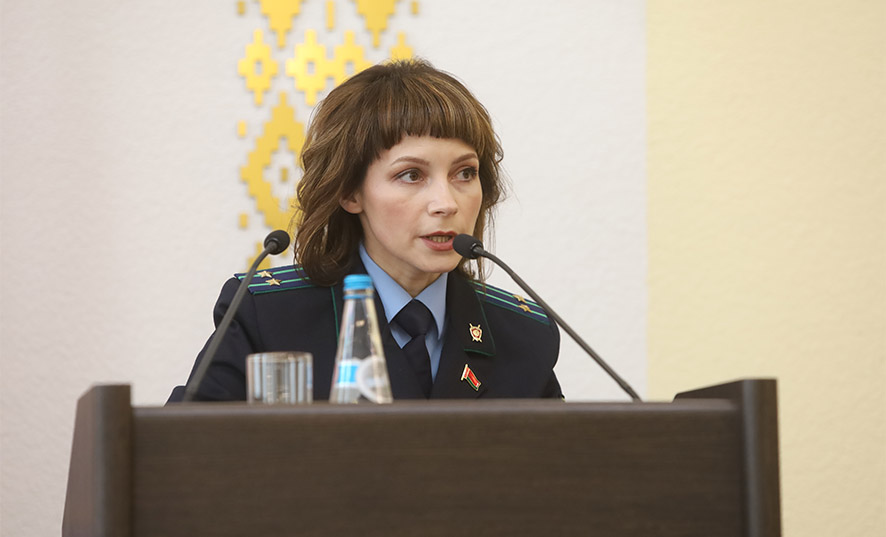
Natalia Zmitrevich, senior prosecutor of a department of the Prosecutor’s Office of Grodno Region, spoke in detail about the results of the investigation of the criminal case against Serafimovich.
“The price of betrayal – 4,144 human lives, including 626 children, pregnant women, the elderly and citizens who were in a helpless state. We are sure that there were other crimes besides these, but, unfortunately, time has played against us. During the preliminary investigation of this case alone, we were able to further identify more than 1,500 previously unknown persons who died at the hands of traitors. At present, work is underway to put their names on memorials, and newly identified places of mass burial are being put on the state register. The investigation of the criminal case on genocide of the Belarusian people has become a national project, in which everyone is involved: from a student to a senator. And this shows that the issues of protecting the historical truth, restoring historical justice are important to every citizen of our country,” concluded Natalia Zmitrevich.
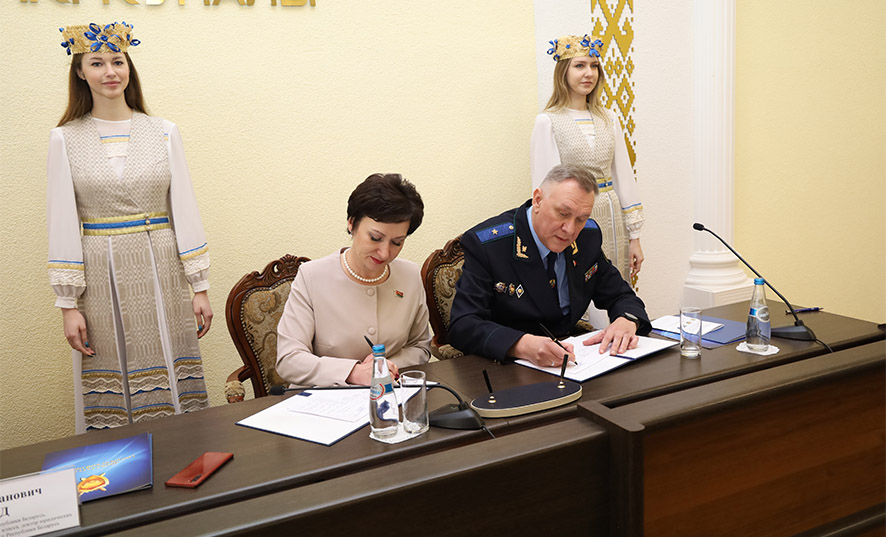
The plenary session of the Scientific and Practical Conference continued with a solemn signing of the programme of the interdisciplinary project “Genocide of the Belarusian people: Memory and Pain of the Grodno Land” for 2025 by the Prosecutor of Grodno Region Aleksandr Zhukov and the Rector of the Yanka Kupala State University of Grodno Irina Kiturko.
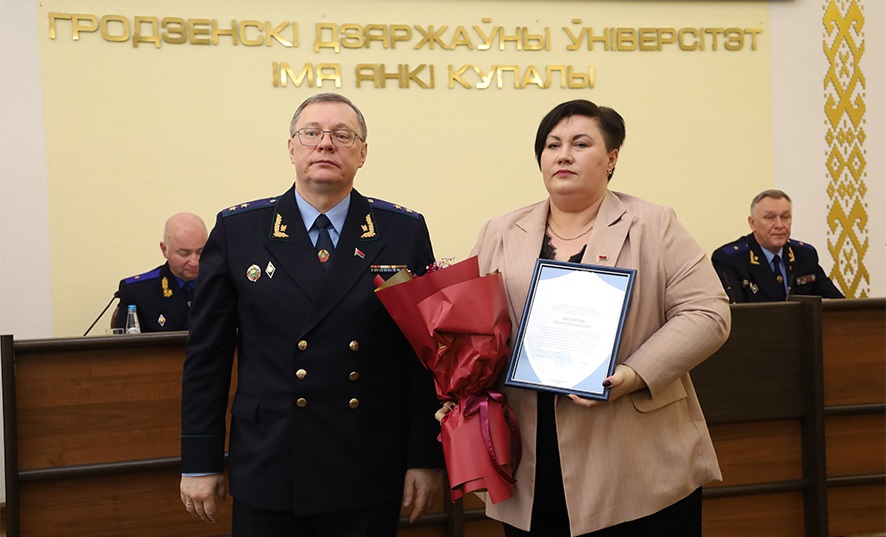
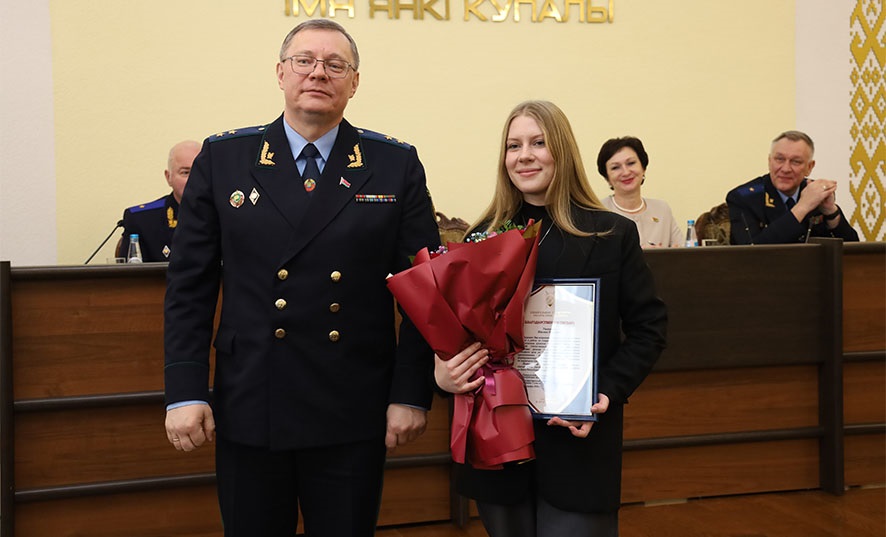
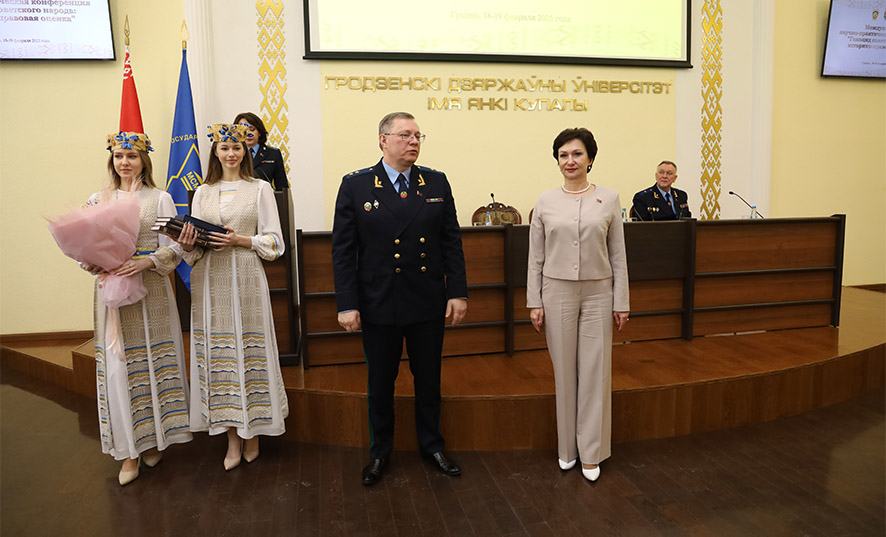
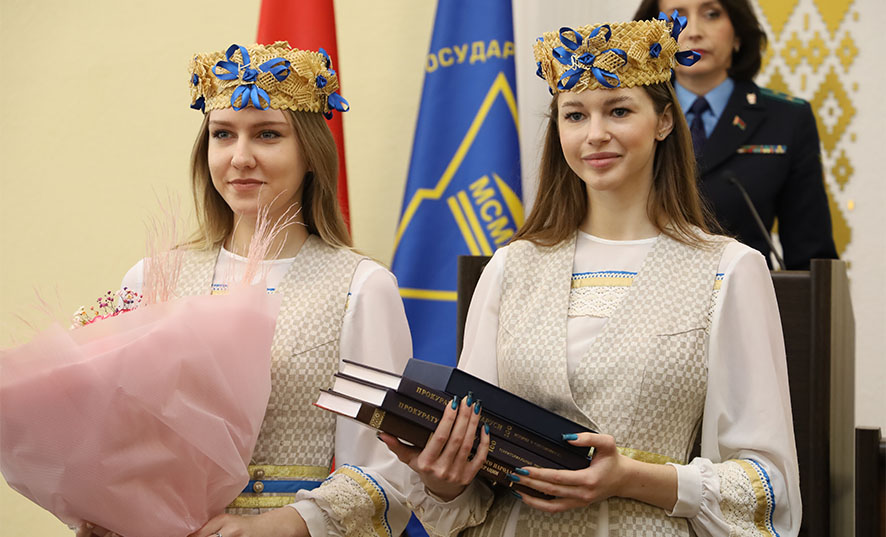
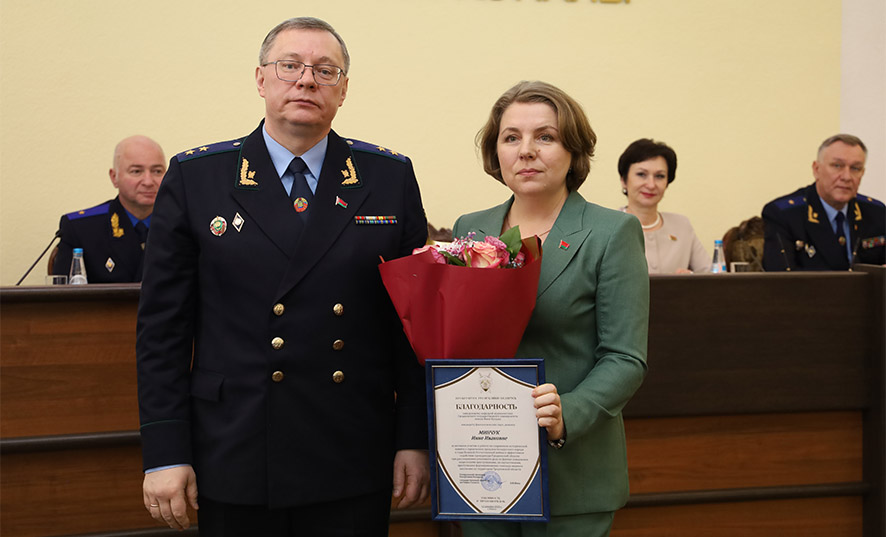
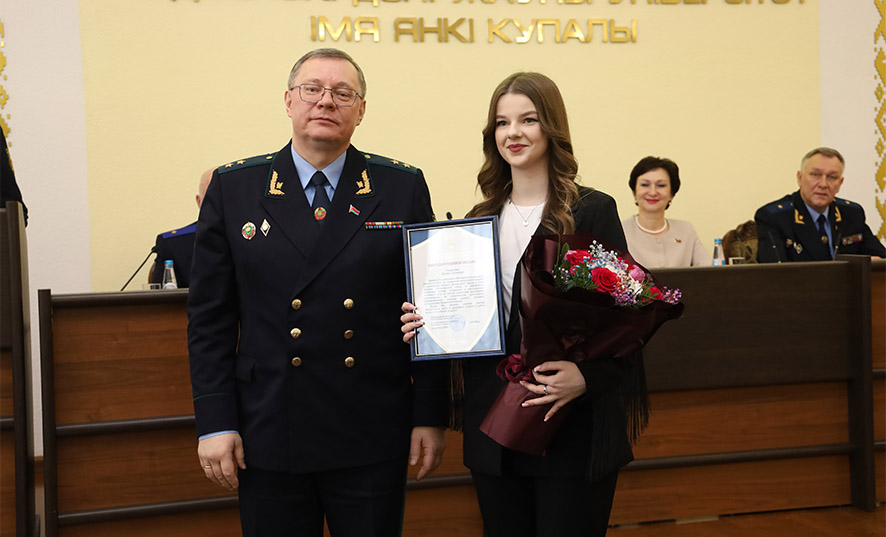
In continuation Andrei Shved and Aleksandr Zhukov handed commemorative diplomas and expressed gratitude to the most active participants of the project from among the students and professors of the university, who made a significant contribution to the preservation of the memory of the heroic past of the Belarusian people during the Great Patriotic War and provided effective assistance in the investigation of the criminal case on the genocide of the BSSR population on the Grodno land.
The conference participants exchanged best practice in the work of prosecutors’ offices in combating the falsification of history and the rehabilitation of Nazism.
Thus, Russian colleagues described the activities of the Prosecutor General’s Office of the Russian Federation, the prosecutor’s offices of the city of St. Petersburg, the Republic of Karelia, Volgograd, Leningrad and Kaliningrad Regions in protecting the historical memory of the Soviet people and establishing the fact of genocide of civilians in a number of regions of Russia. They informed about the plans of further work in this direction.
In turn, the Prosecutor of Gomel district Alexander Shinkarev shared the results of the investigation of the facts of mass extermination of the BSSR population in the Chenkovsky forest of Gomel district.
Head of the Department for Supervision over the Investigation of Criminal Cases of Major Importance – head of the investigative group of the Prosecutor General’s Office Valery Tolkachev informed about the extensive work done to investigate the criminal case on genocide of the Belarusian people. He informed about the plans of the investigative group for the nearest future.
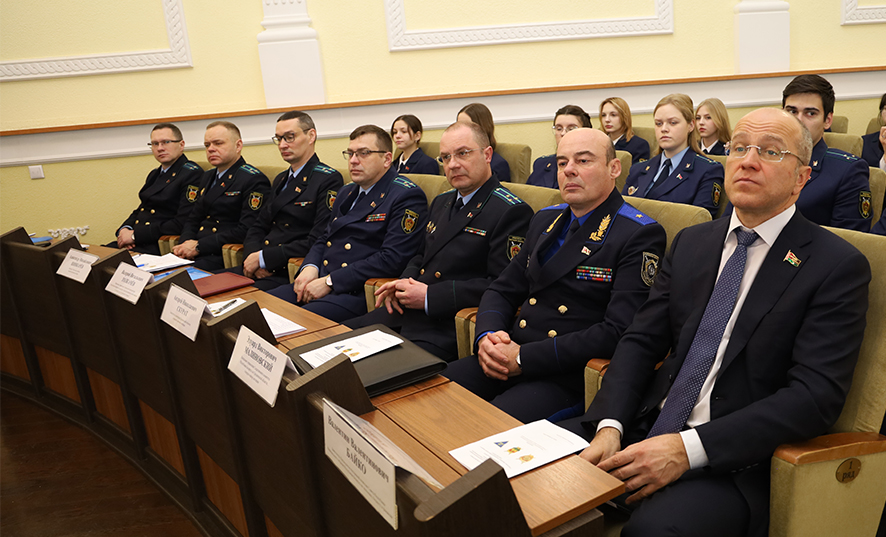
Director of the Scientific and Practical Centre of the Prosecutor General’s Office Igor Moroz stressed that the realization of the project “Genocide of the Civilian Population of the BSSR during the Great Patriotic War: Historical and Legal Assessment” helps to identify and set tasks to investigate the previously unknown facts of the atrocities of the Nazi invaders. He pointed out that the war for Nazi Germany was a means of realization of plans of genocide of Soviet citizens.
In her report, Elena Korotich, Head of Department of the Scientific and Practical Centre of the Prosecutor General’s Office, pointed out the narrowness of the conventional definition of genocide due to the exhaustive list of groups of people subject to protection. “The results of the analysis of trends in international jurisprudence on genocide cases allow us to talk about the formation of international custom in terms of a broader understanding of protected groups, which has a universal character and is binding for all actors of the international community, not only for the States Parties to the UN Convention of 1948,” she said.
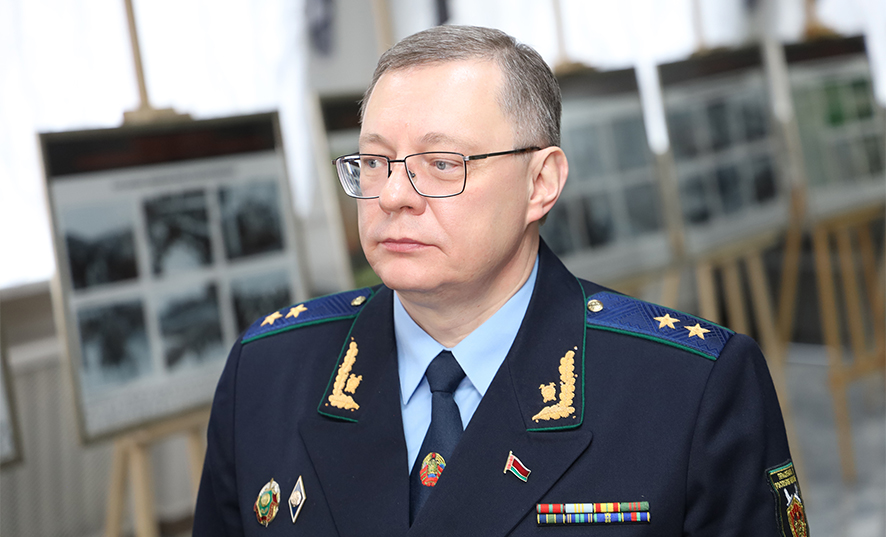
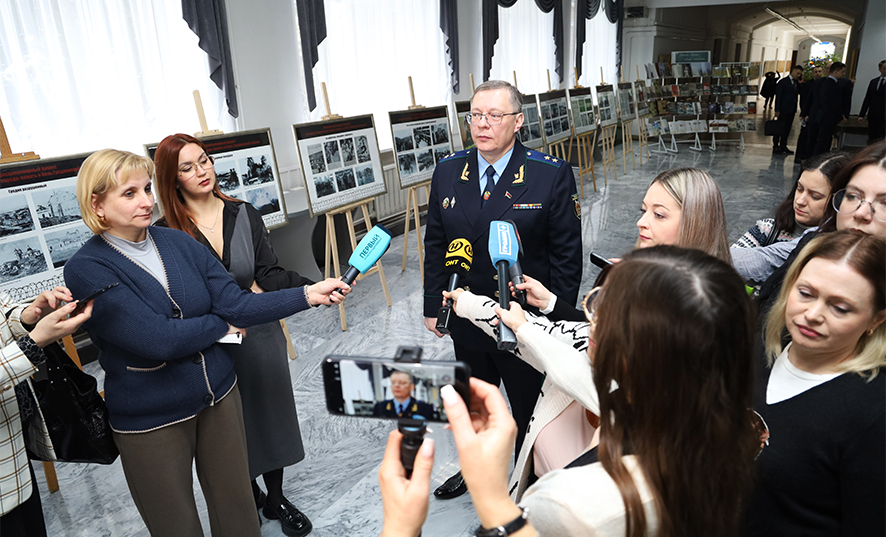
Within the framework of the event Andrei Shved and other participants of the conference talked to representatives of mass media.
In particular, answering the question about what has already been accomplished in the criminal case on genocide, the Prosecutor General of the Republic of Belarus recalled the following: “A significant part of the investigative actions related to the interrogation of witnesses and victims has been practically completed at the moment. In total, more than 19 thousand people have been questioned. Video recordings have been made so that our descendants would know firsthand about the atrocities committed by the fascists and their accomplices on our land. We will be examining the previously unknown places of mass extermination of people on the territory of our country for several years – there are more than 100 such places. And every year there is new information.”
The head of the supervisory agency reported that a commission of the National Academy of Sciences of Belarus had confirmed the fact that the occupants had completely or partially destroyed almost 12.4 thousand settlements on the territory of Belarus. He specified that “288 villages and hamlets shared the fate of Khatyn, that is, they were burned completely and not restored after the war. Unfortunately, these are not the final results, the work will continue until the last known place of mass extermination of people during the war is examined.”
Andrei Shved also reported about a significant number of materials, including in the German language, which are received from the archives of the Russian Federation – the talk is about the documents of the headquarters of military units that conducted operations on the Belarusian territory.
“Currently, three criminal cases against Nazi punishers have been sent to court. Five more are at the preparatory stage. The investigation will continue. The Nazi invaders brought too much grief to our land. At the same time, we are not just documenting their criminal acts – they are being assessed in terms of legal acts,” summarized the Prosecutor General of the Republic of Belarus.
Photo: Prosecutor General’s Office
Information Service
of the Prosecutor’s Office of Grodno Region
Other news
Strengthening traditional spiritual and moral values, perpetuating the memory of defenders of the Fatherland, victims of Nazism and fascism: a meeting of the Joint Collegium of the Prosecutor General’s Offices of Belarus and Russia was held in Suzdal
Development of cooperation in the legal sphere: Prosecutor General of Belarus Andrei Shved met with representatives of the Zimbabwe Anti-Corruption Commission
Main events
International Conference dedicated to the 77th anniversary of the adoption of the UN Convention on the Prevention and Punishment of the Crime of Genocide: results of the first day
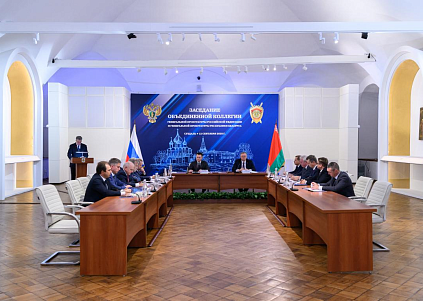
Strengthening traditional spiritual and moral values, perpetuating the memory of defenders of the Fatherland, victims of Nazism and fascism: a meeting of the Joint Collegium of the Prosecutor General’s Offices of Belarus and Russia was held in Suzdal
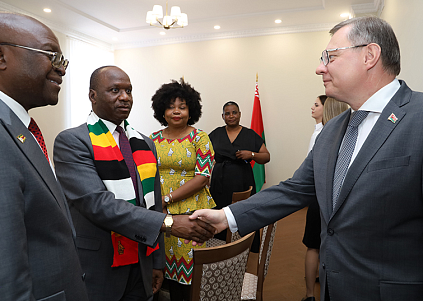
Development of cooperation in the legal sphere: Prosecutor General of Belarus Andrei Shved met with representatives of the Zimbabwe Anti-Corruption Commission