Strengthening traditional spiritual and moral values, perpetuating the memory of defenders of the Fatherland, victims of Nazism and fascism: a meeting of the Joint Collegium of the Prosecutor General’s Offices of Belarus and Russia was held in Suzdal
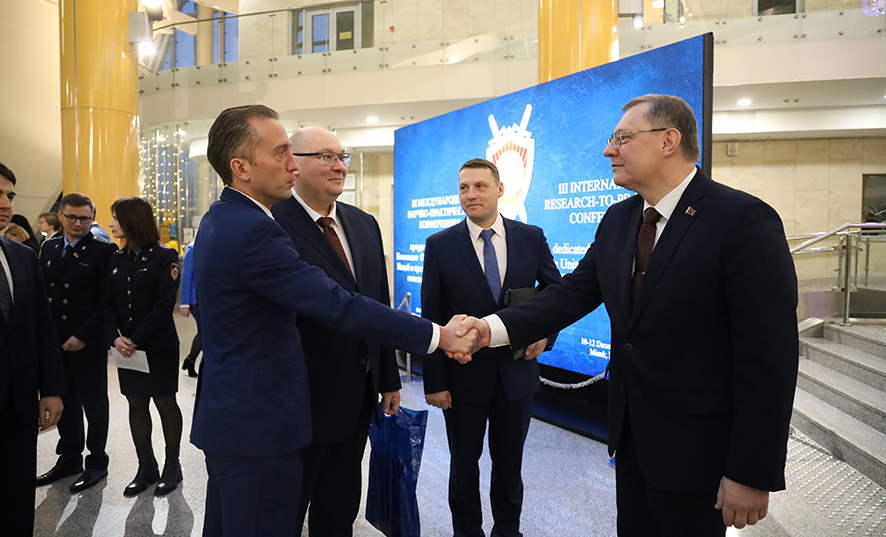
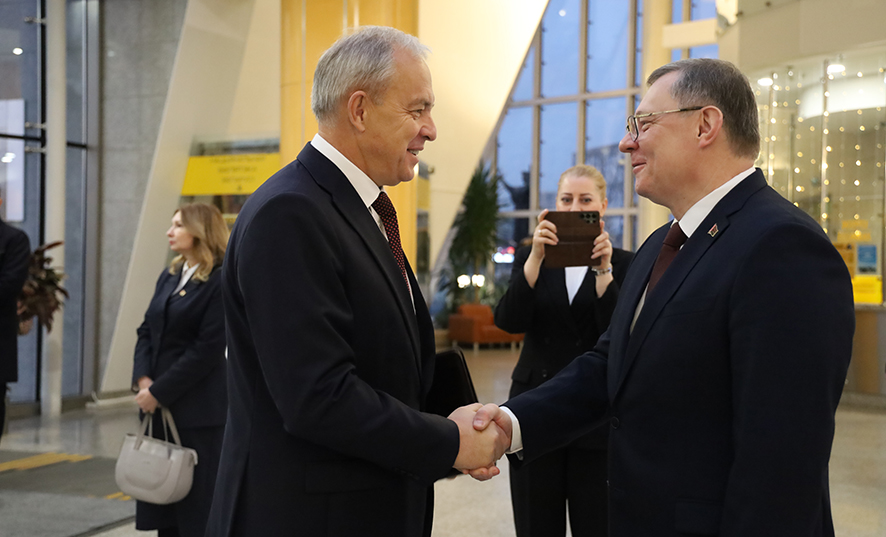
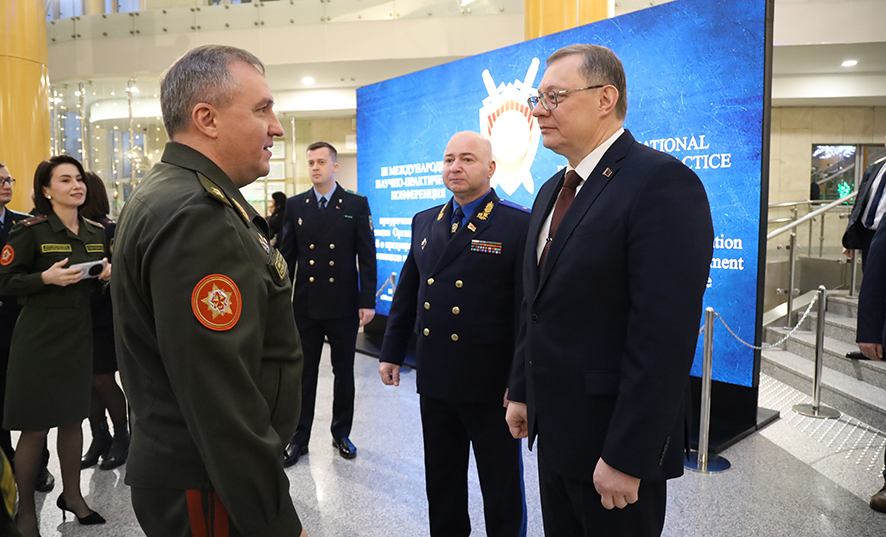
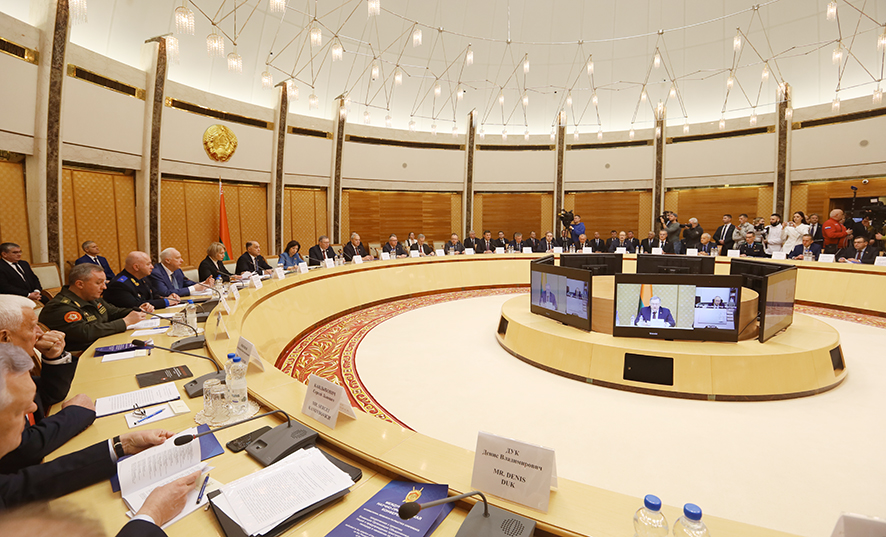
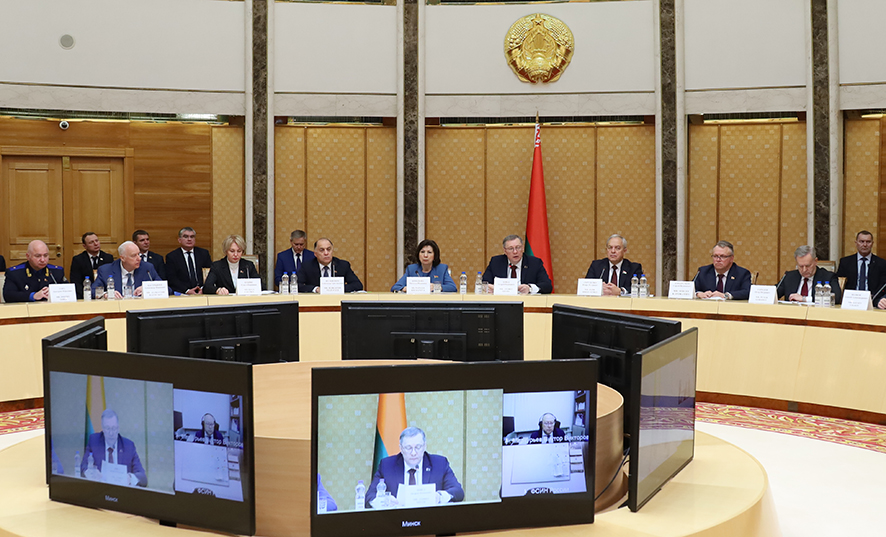
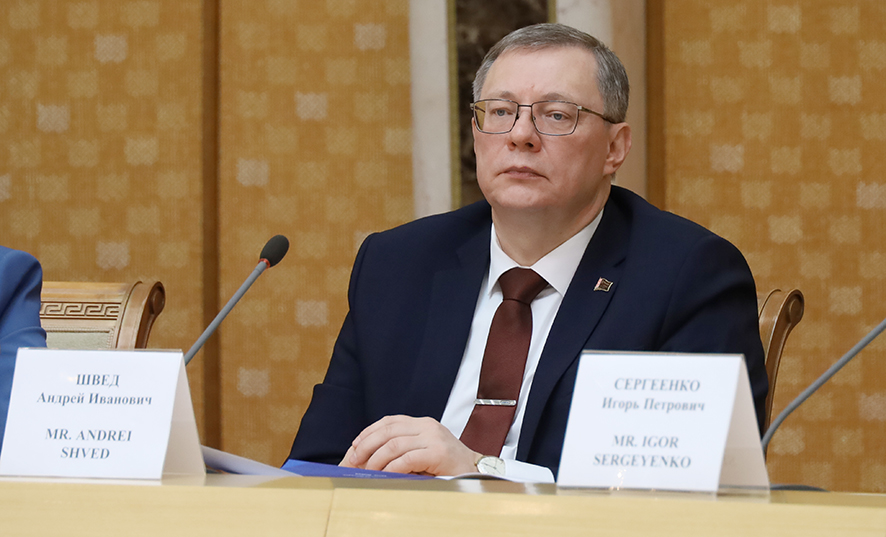
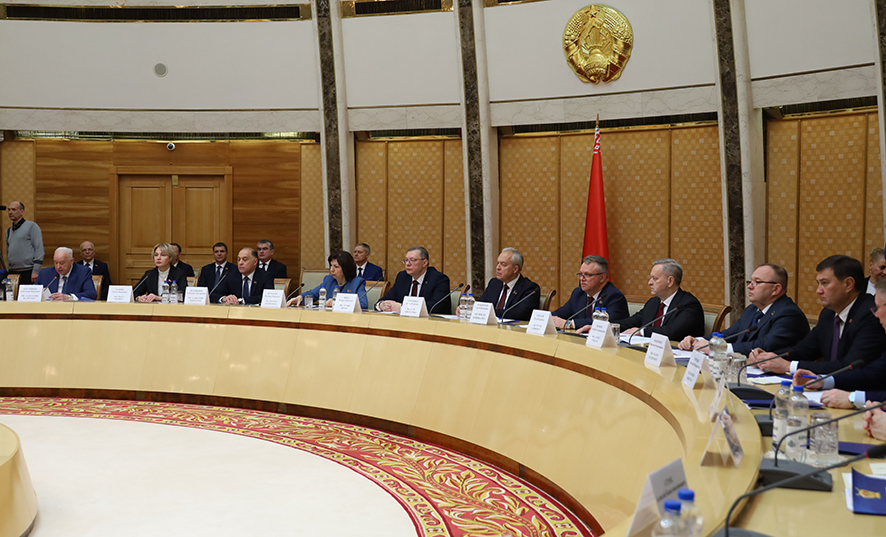
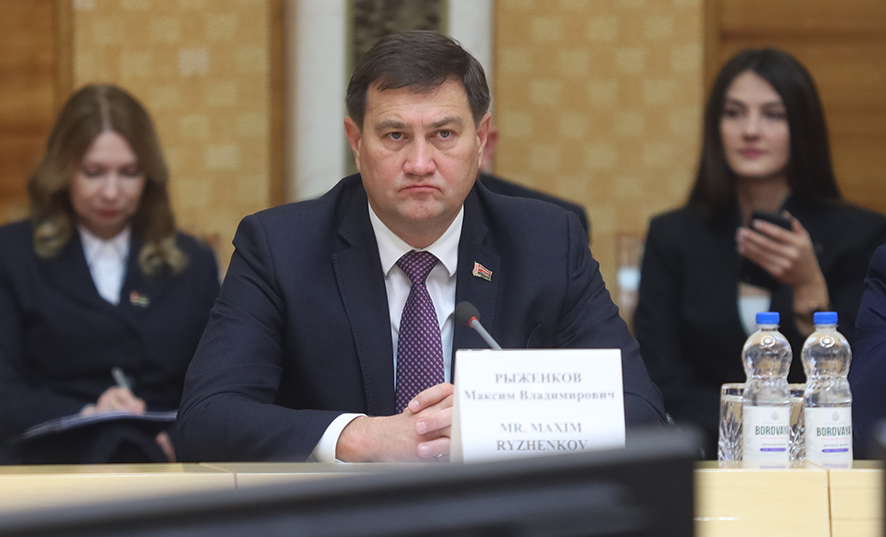
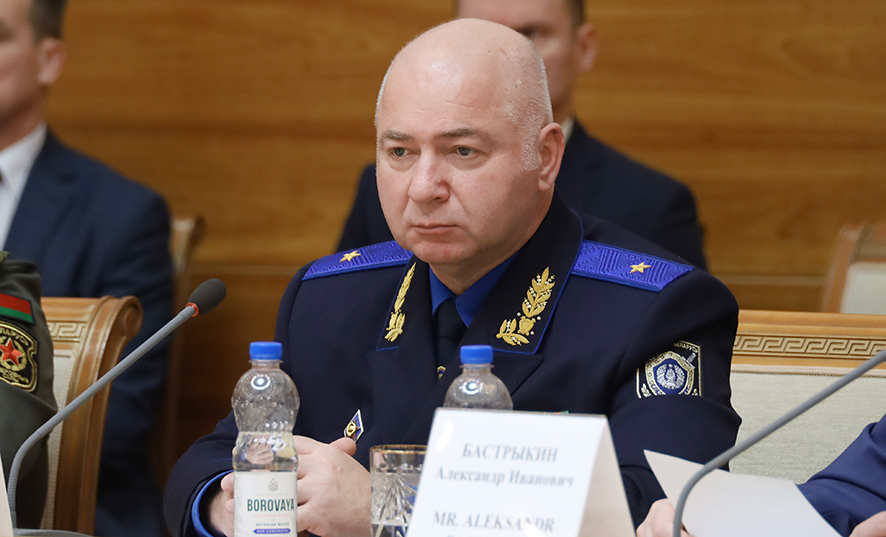
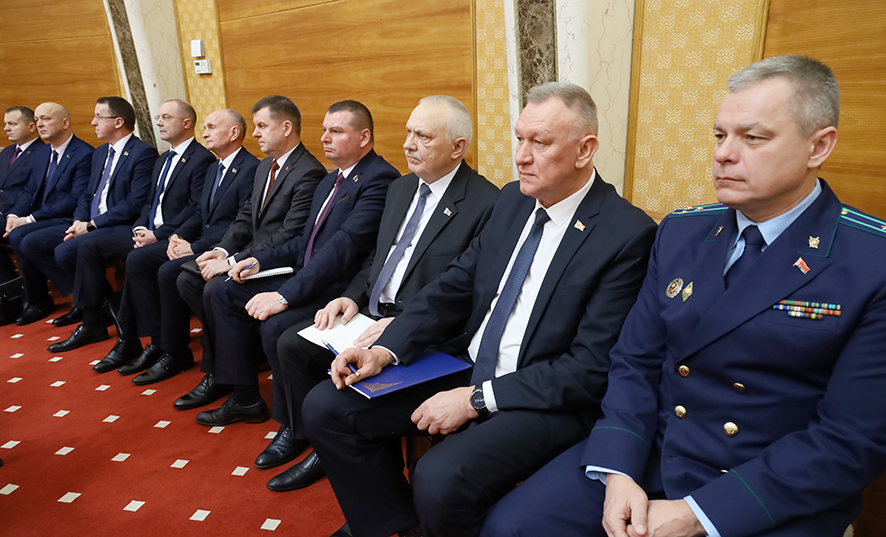
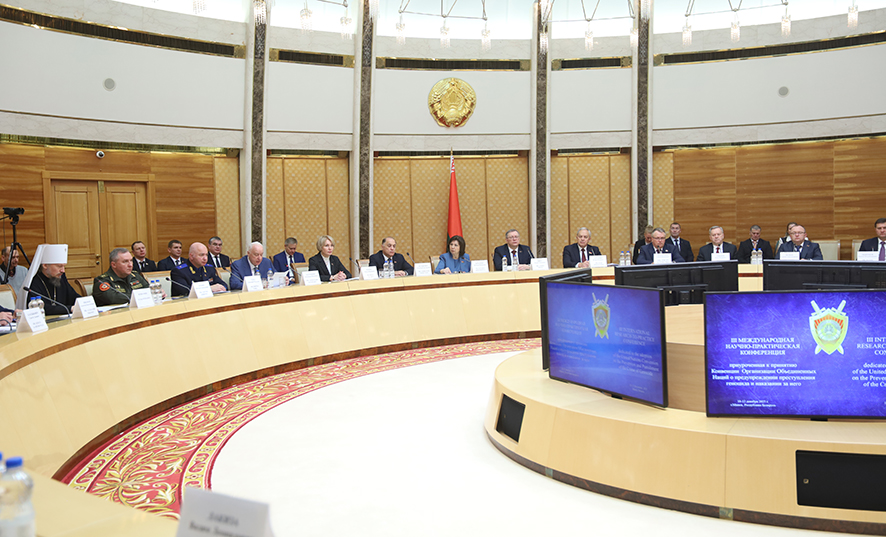
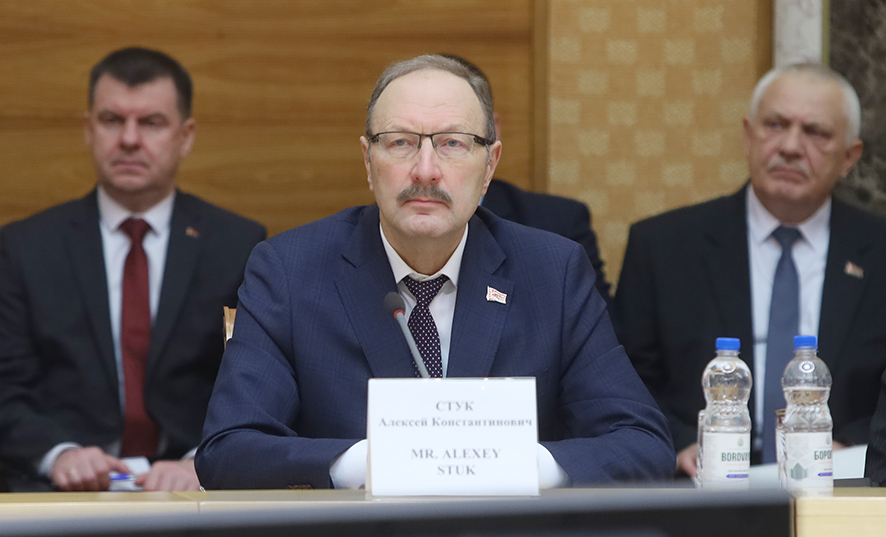
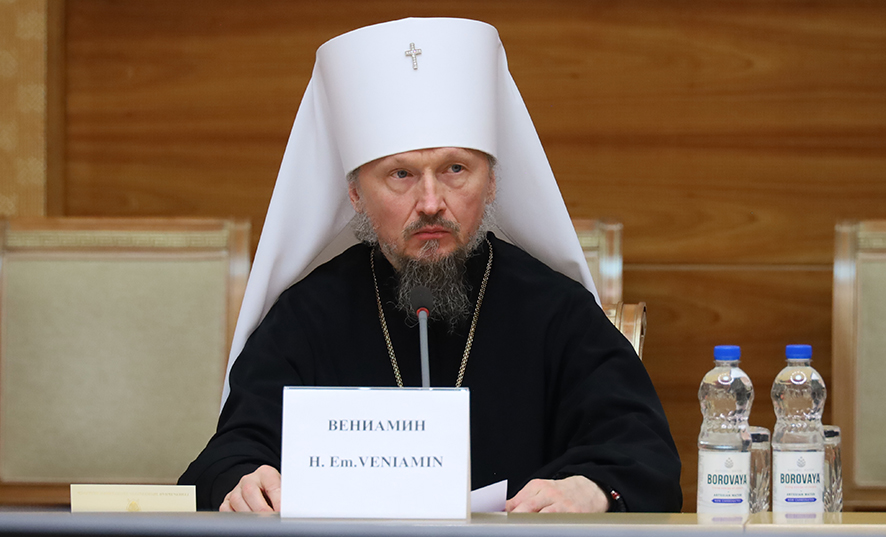
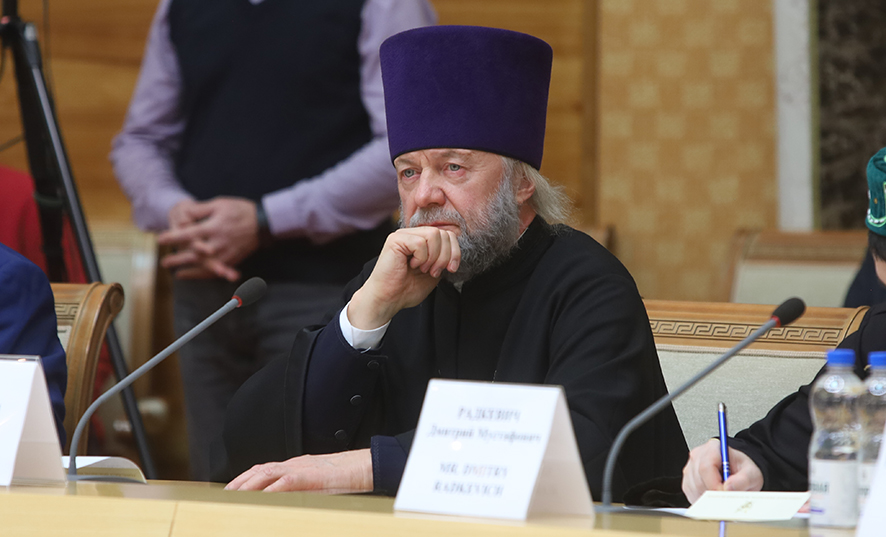
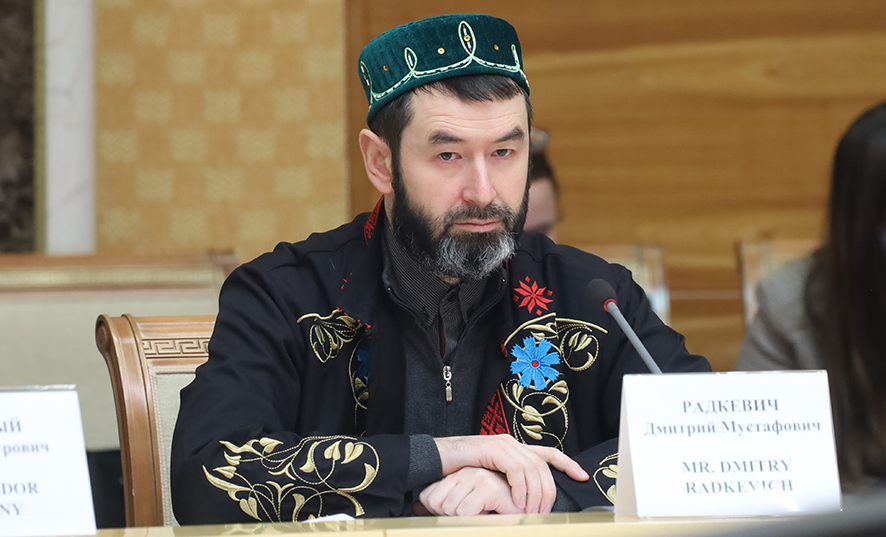
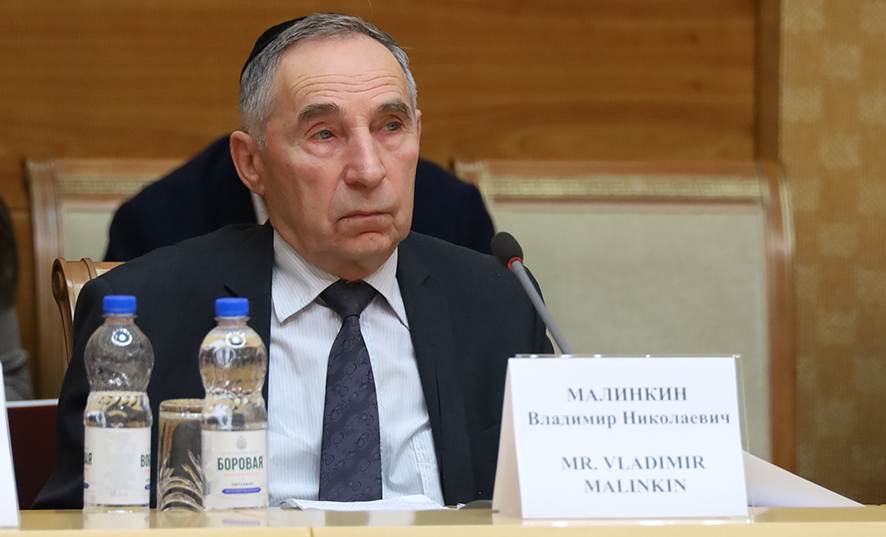
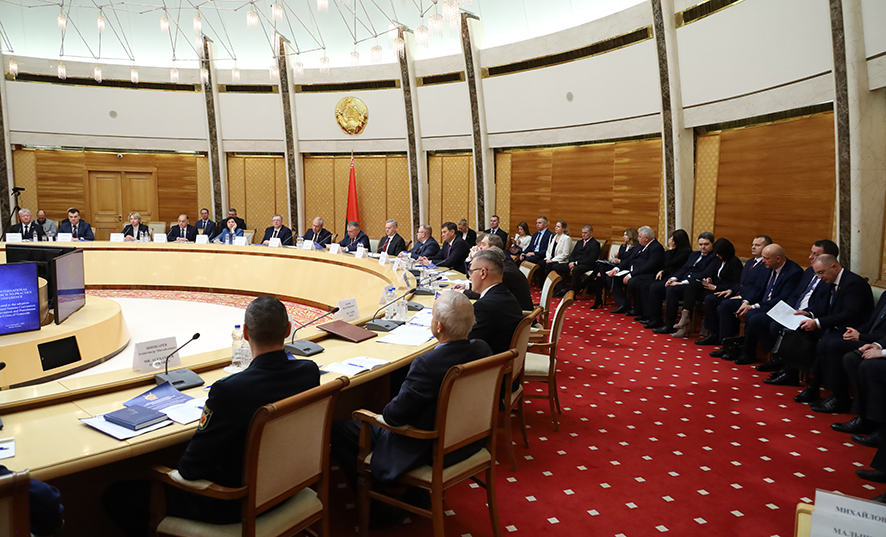
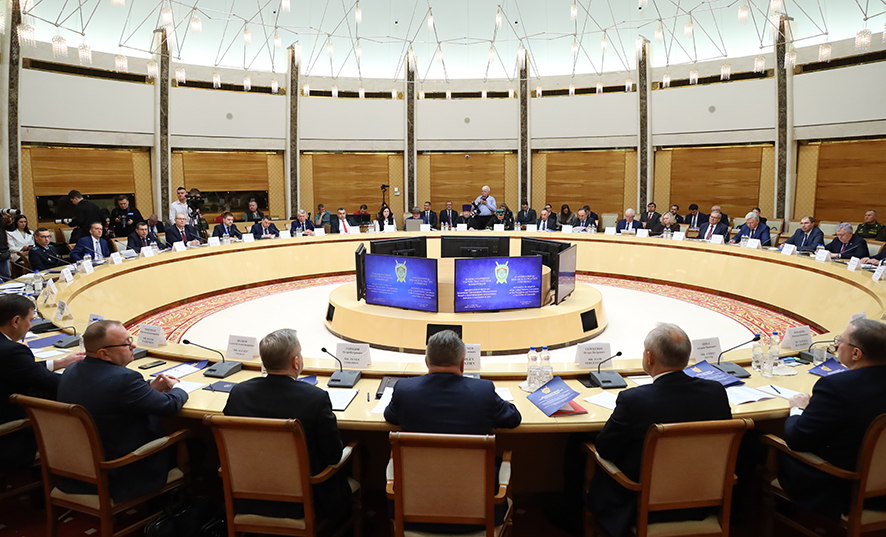
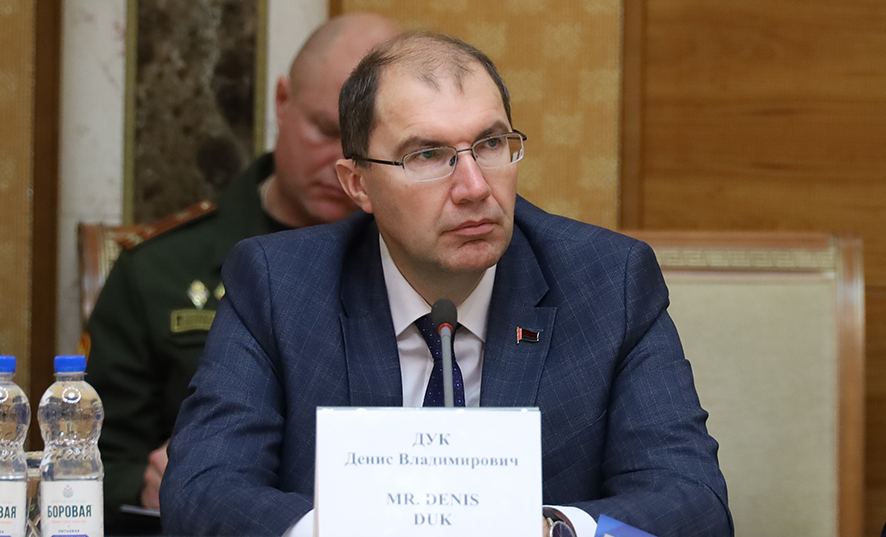
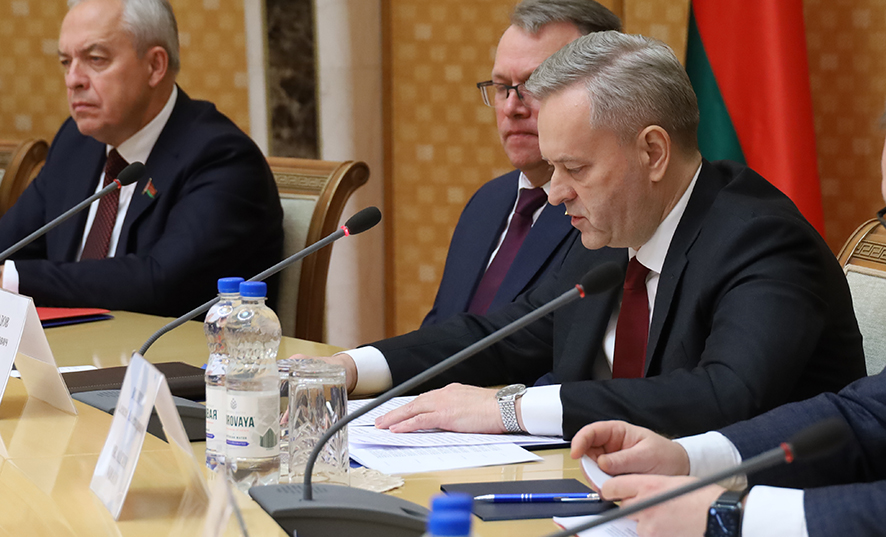
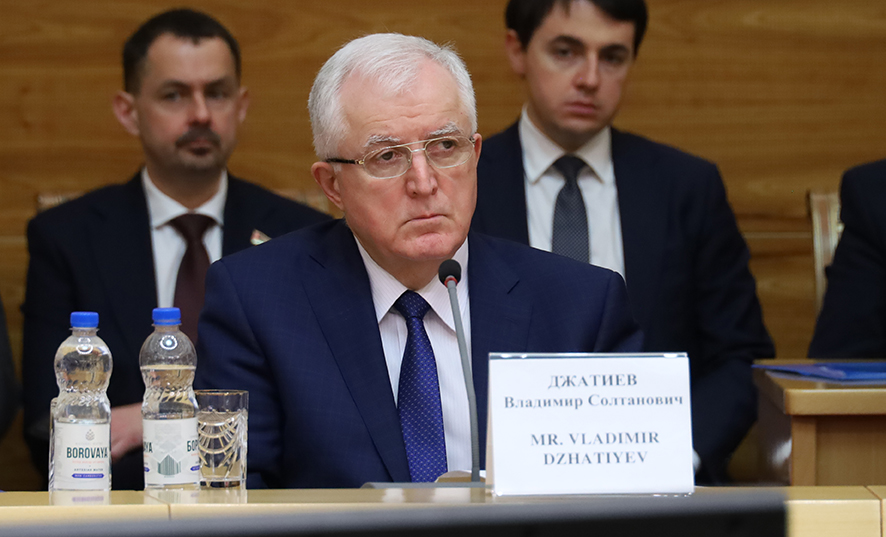
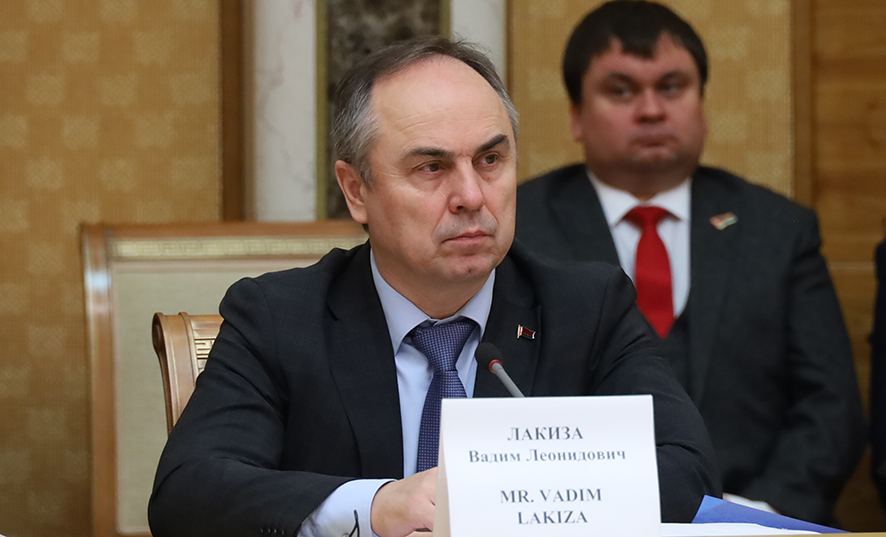
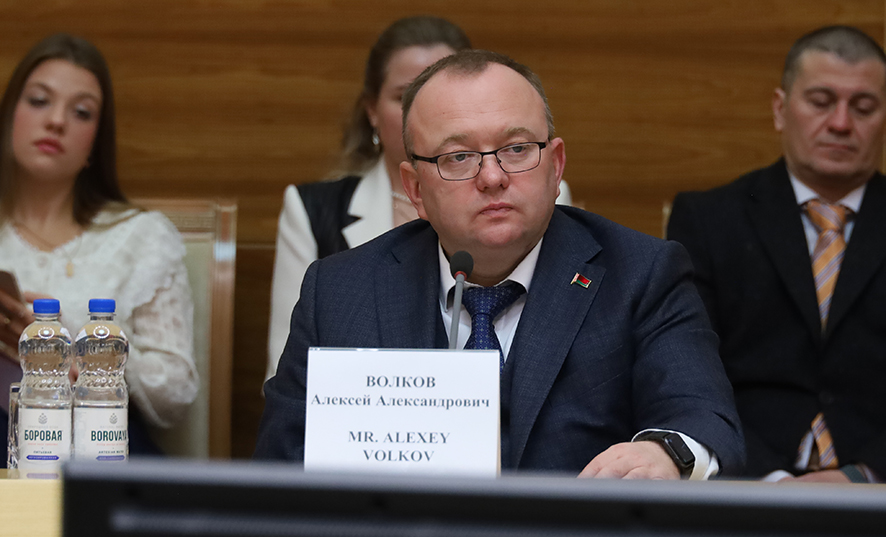
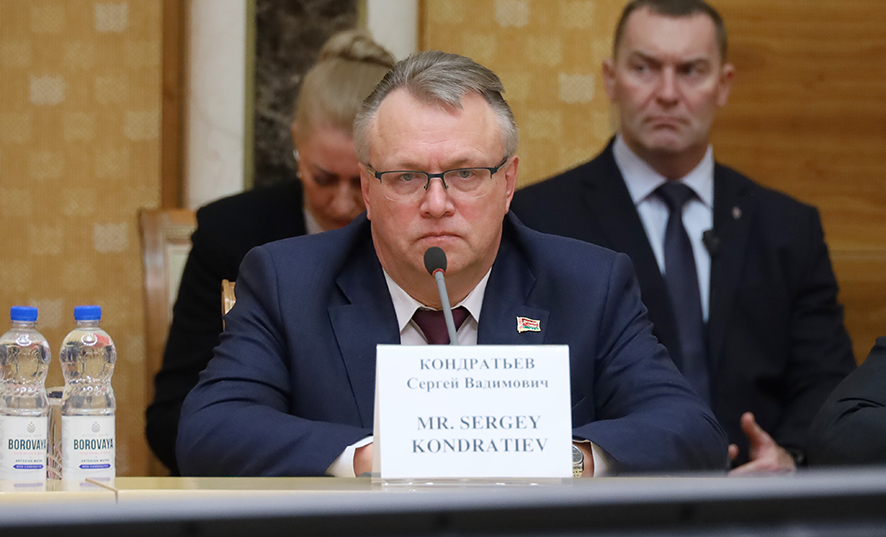
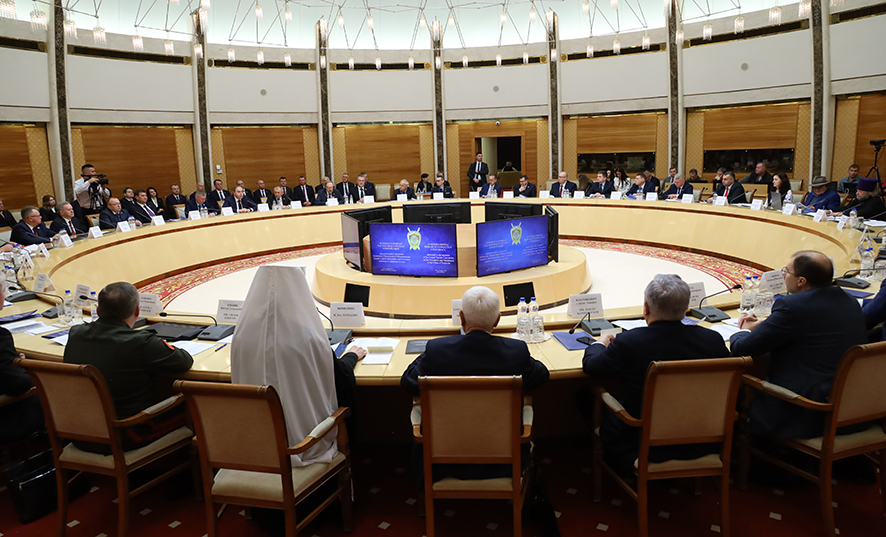
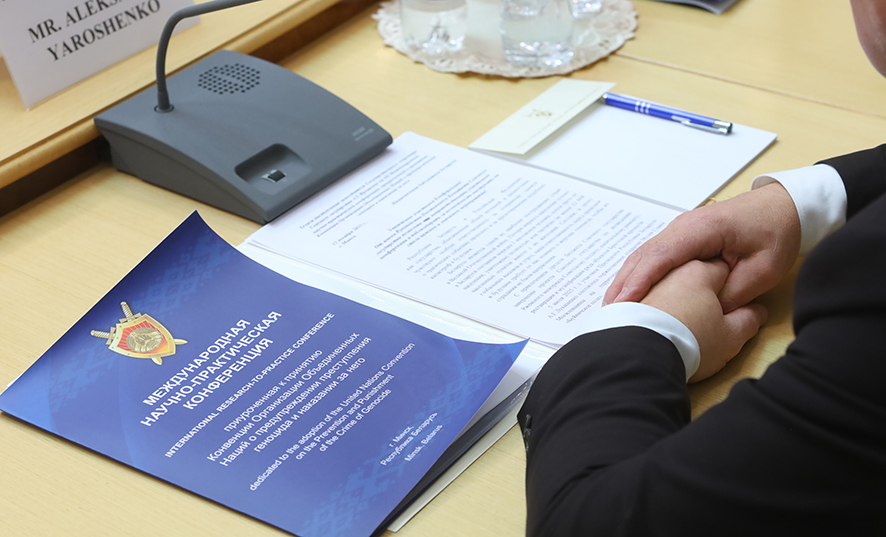
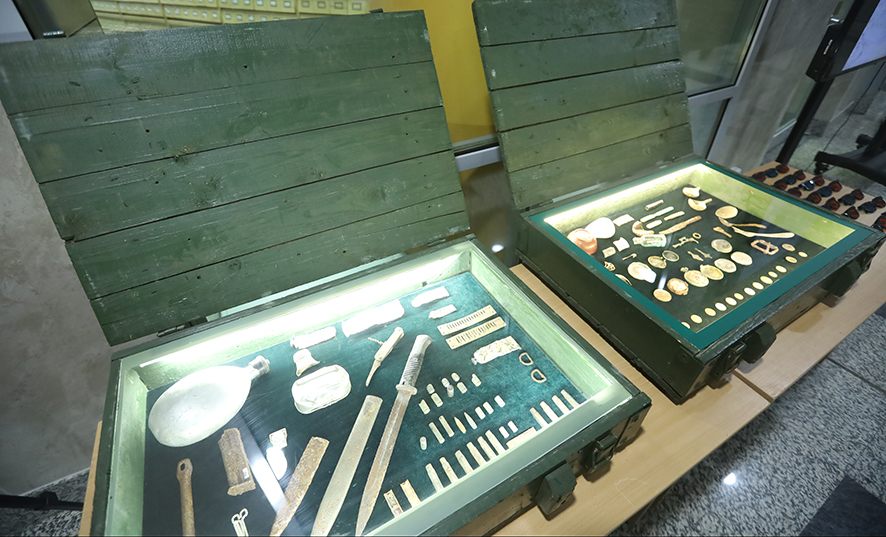
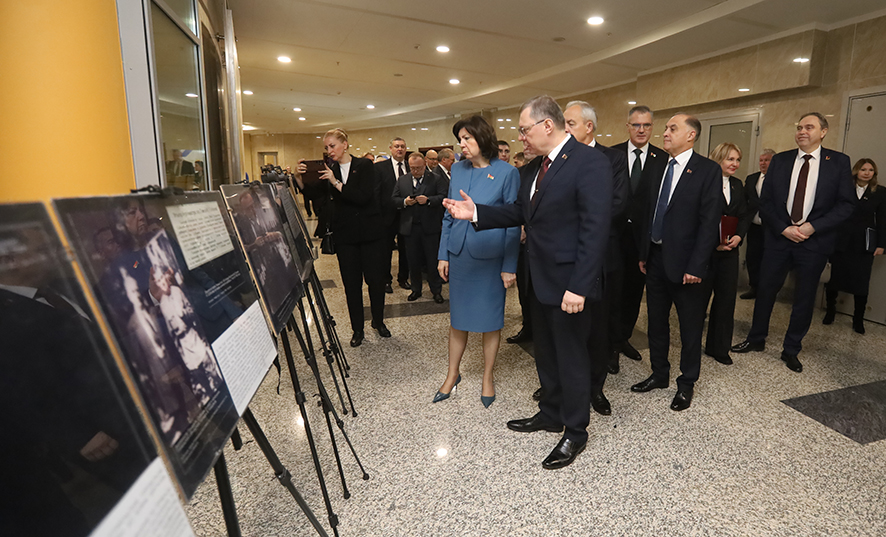
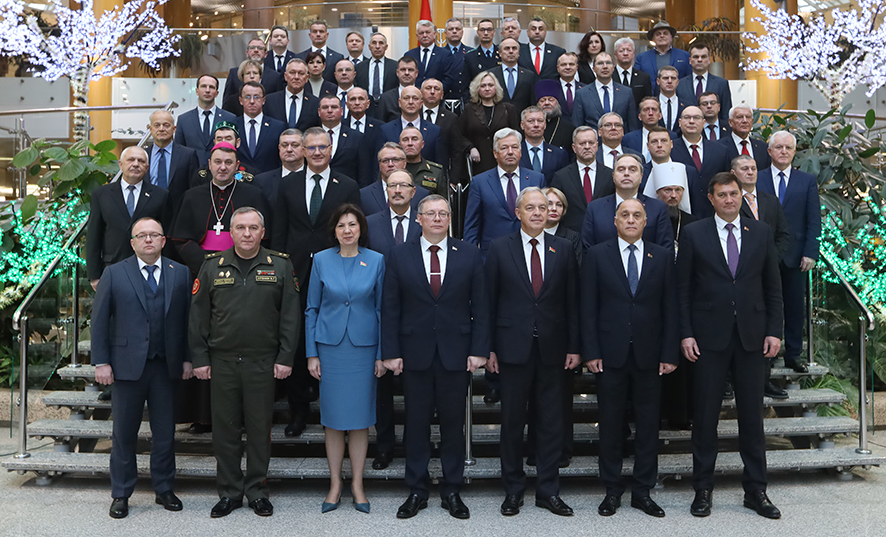
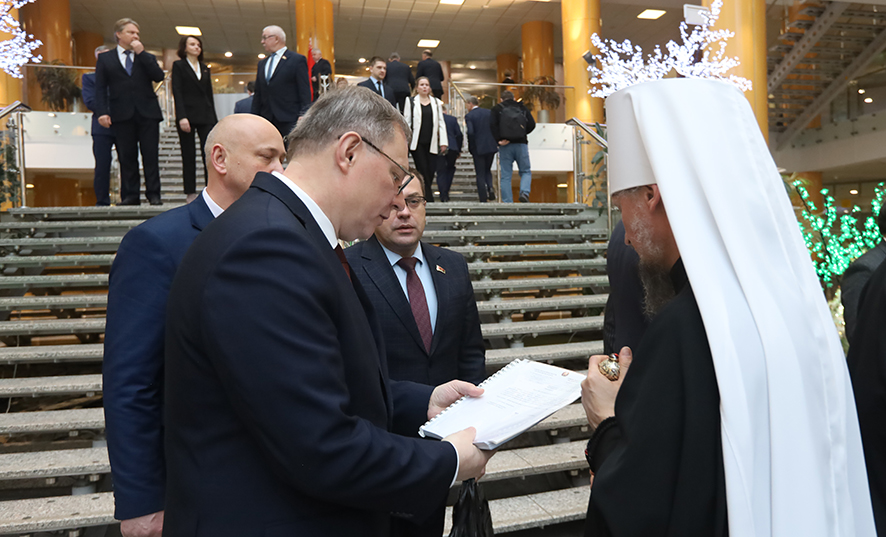
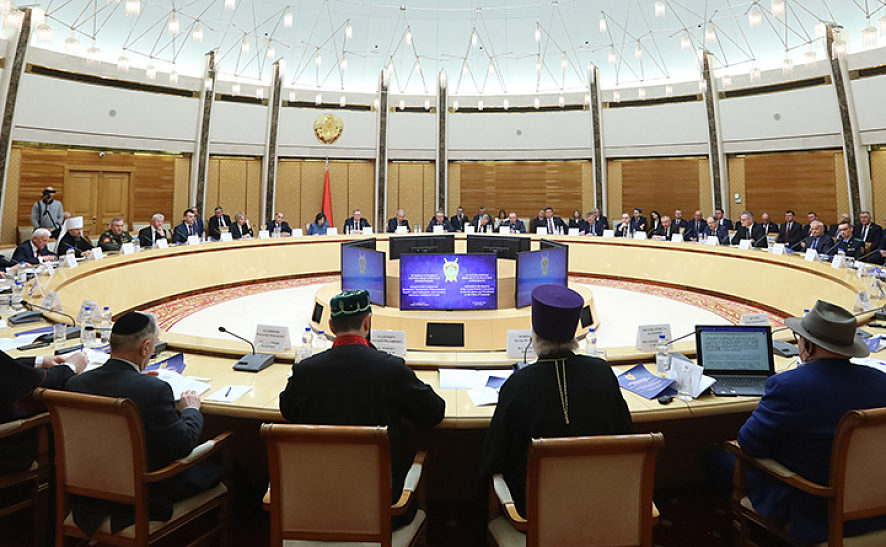

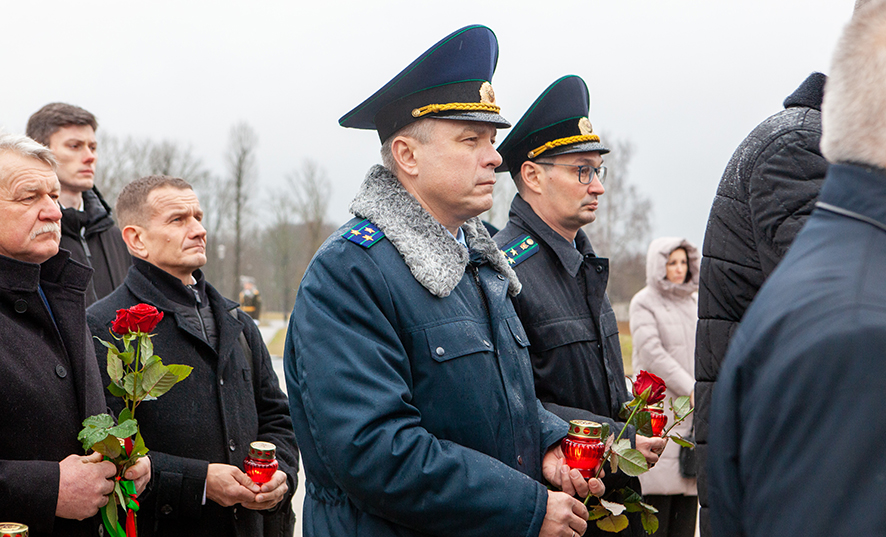
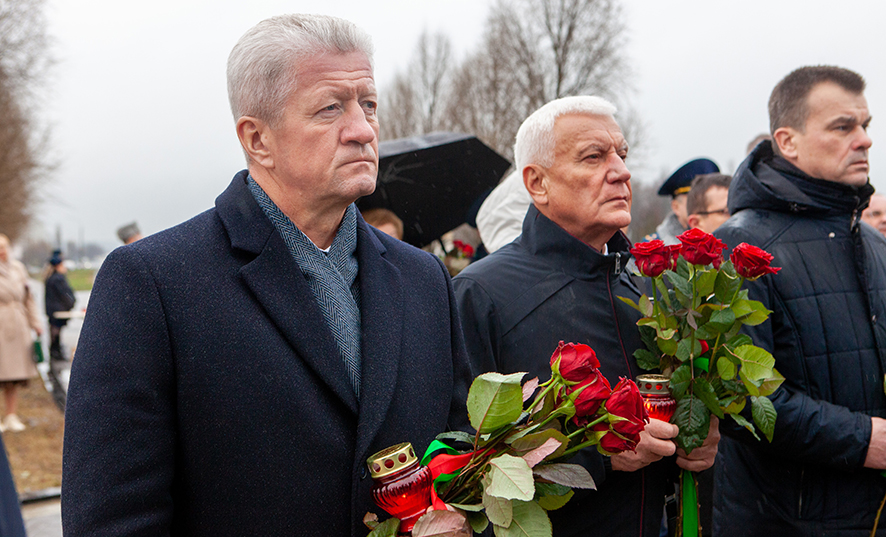
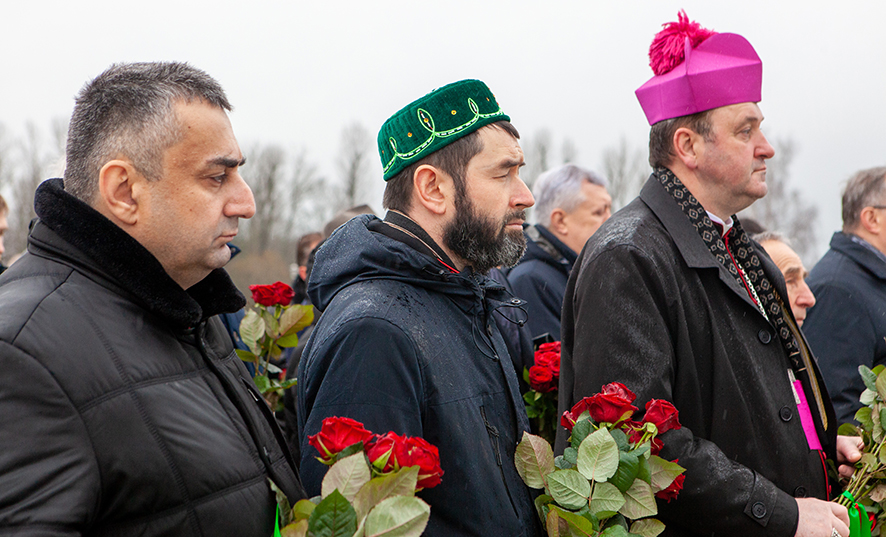
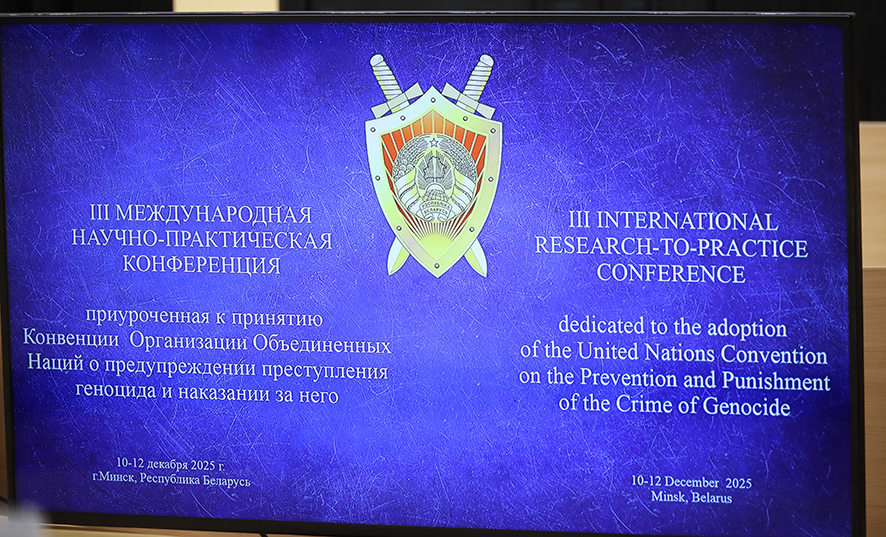
The Prosecutor General’s Office of the Republic of Belarus organized an International Research-to-Practice Conference in Minsk dedicated to the 77th anniversary of the adoption of the United Nations Convention on the Prevention and Punishment of the Crime of Genocide.
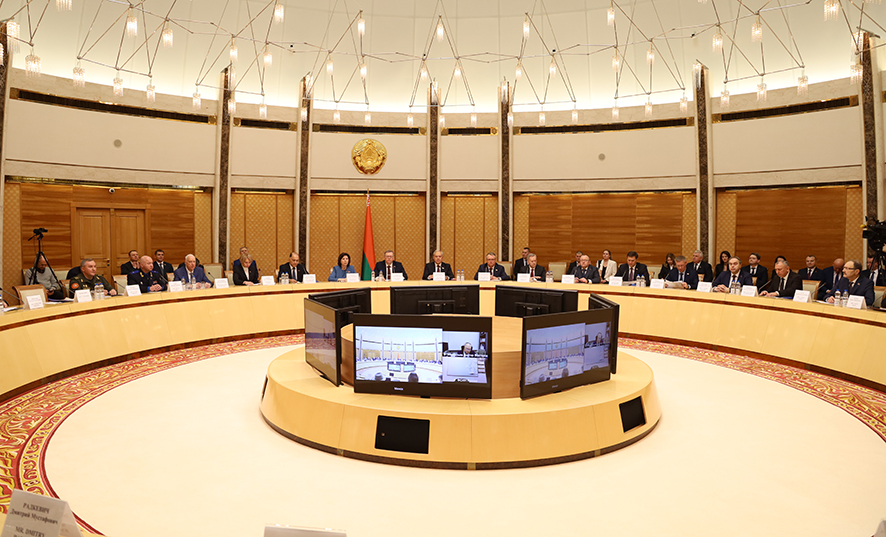
Co-organizers of the conference were the National Library of Belarus, the Academy of Public Administration under the President of the Republic of Belarus, the National Academy of Sciences of Belarus, and Belarusian State University of Culture and Arts.
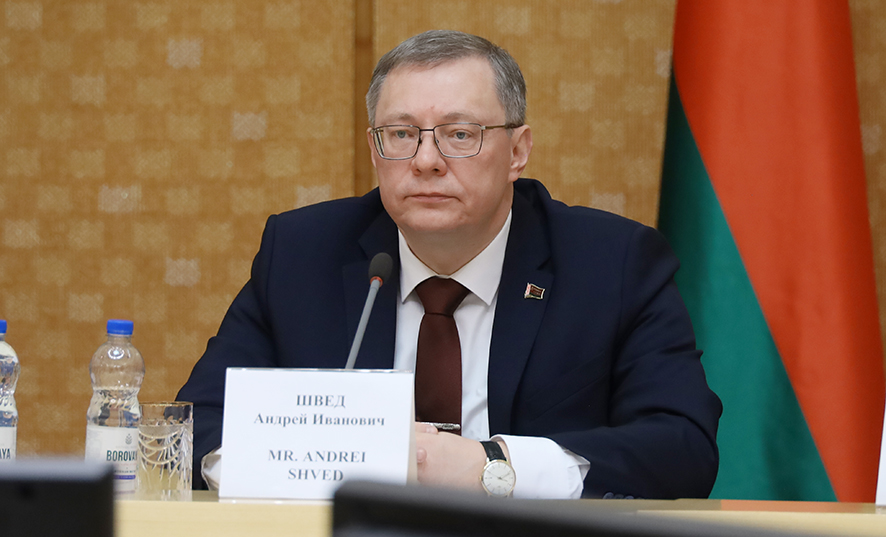
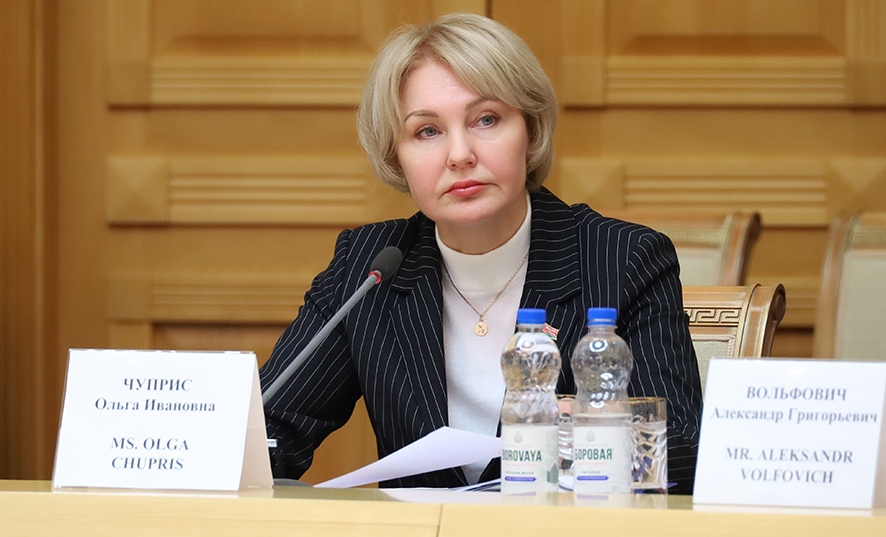
The event was addressed by the Prosecutor General of the Republic of Belarus, Andrei Shved, the Chairman of the Investigative Committee of the Russian Federation, Aleksandr Bastrykin, the Chairperson of the Council of the Republic of the National Assembly of the Republic of Belarus, Natalya Kochanova, the Chairperson of the House of Representatives of the National Assembly of the Republic of Belarus, Igor Sergeyenko, the Deputy Head of the Administration of the President of the Republic of Belarus, Olga Chupris, the State Secretary of the Security Council of the Republic of Belarus, Aleksandr Volfovich, the Deputy Chairman of the Supreme Court of the Republic of Belarus, Sergey Kondratyev, the Minister of Defence of the Republic of Belarus, Viktor Khrenin, the Minister of Foreign Affairs of the Republic of Belarus, Maksim Ryzhenkov, the Chairman of the State Forensic Examination Committee of the Republic of Belarus, Aleksey Volkov, the Chairman of the Presidium of the National Academy of Sciences of Belarus, Vladimir Karanik, and many other heads of state bodies.
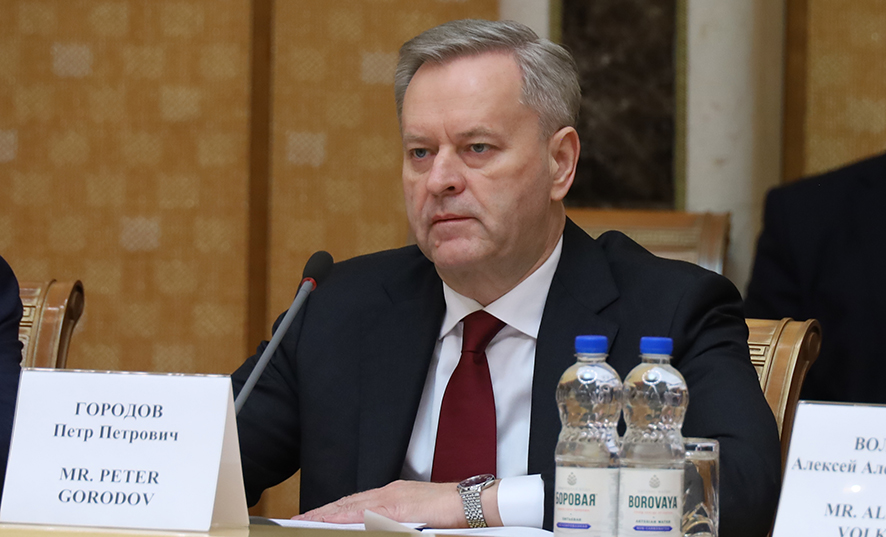
On behalf of the Prosecutor General of the Russian Federation, Aleksandr Gutsan, the Conference was addressed by his Deputy, Pyotr Gorodov.
In his speech, the Prosecutor General of the Republic of Belarus, Andrei Shved, emphasized: «The events that befell the Belarusian people are not simply pages of history, not simply archival documents. They are our shared, unhealed wound. They are the memory about every third Belarusian who perished, of the destroyed villages that shared the fate of Khatyn, and of the camps on our land that became «death factories». Every identified punisher, every new name of a victim is our shared contribution to the protection of historical truth. The tragic events of the Great Patriotic War are part of the common memory of all the peoples of the former Soviet Union».
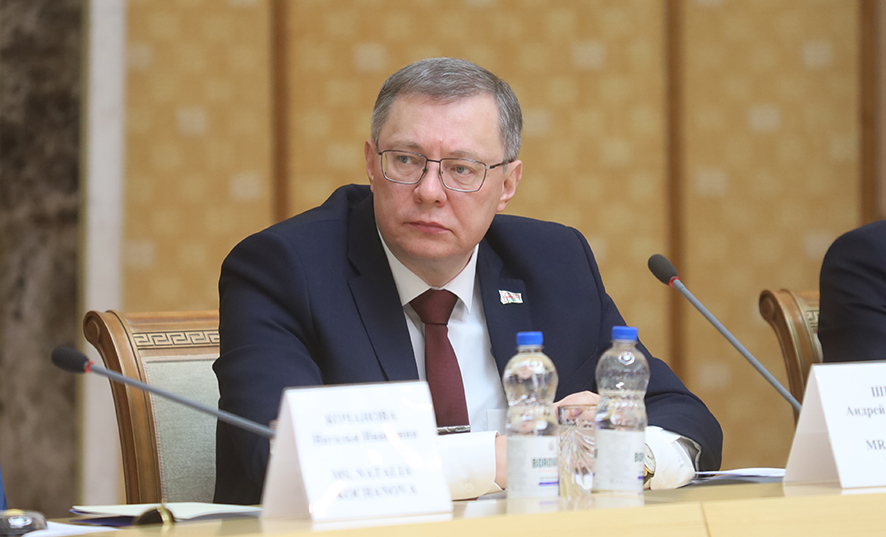
The head of the oversight body emphasized the importance of protecting historical justice, providing a fundamental legal and moral assessment of the hideous crimes of that period, and working with the younger generation: «The events of 2020 in Belarus demonstrated that our youth were insufficiently informed about the crimes of the Nazis and their accomplices, which allowed them to be drawn into radical extremist activities. The work carried out by prosecutors to perpetuate the memory of the victims of the genocide of the Belarusian people allows us to assert that today there is not a single schoolchild or student in the country who is unaware of Nazi crimes».
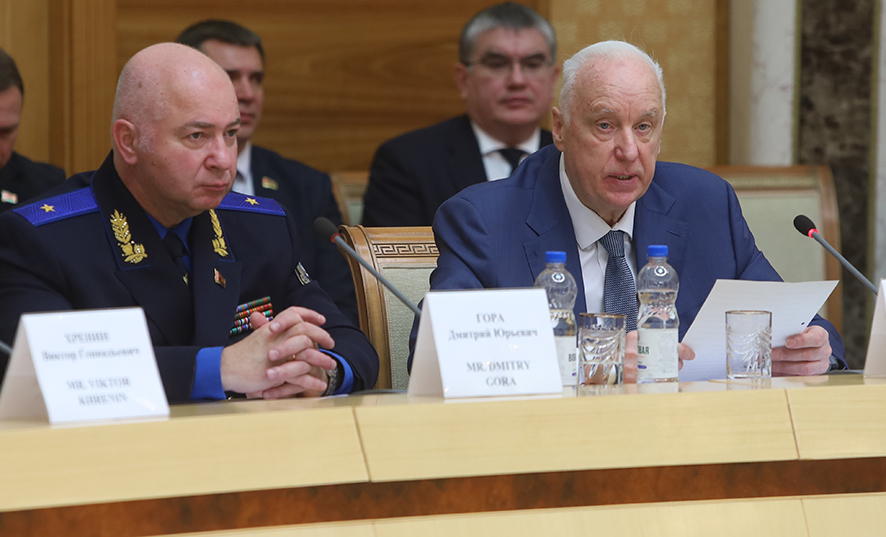
In his welcoming address, the Chairman of the Investigative Committee of the Russian Federation, Aleksandr Bastrykin, dwelled on the cooperation between the Investigative Committee of the Russian Federation and the Prosecutor General’s Office of the Republic of Belarus. «In 2025, the Russian side fulfilled 22 requests for legal assistance in the criminal case on the genocide of the Belarusian people, we transferred over 2,000 archival materials. The investigation is acquiring a supranational legal character, in which the role of investigative bodies is comparable to the mission of international tribunals. One of the key factors that can lead to the repetition of crimes against humanity is deliberate oblivion. Therefore, today, when the world is once again confronted with the ideology of hatred, investigative, judicial, and scientific work in Russia and Belarus is acquiring international significance», – he said.
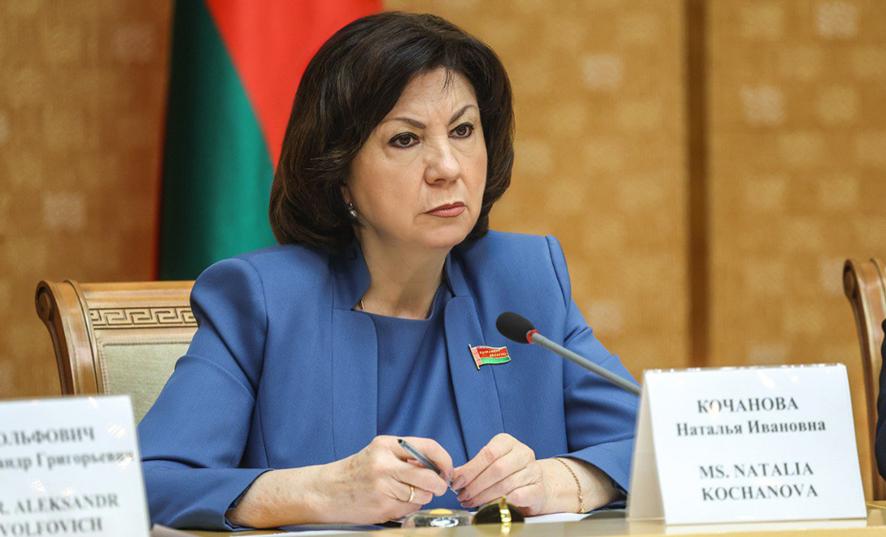
The Chairperson of the Council of the Republic of the National Assembly of the Republic of Belarus, Natalya Kochanova, noted: «The Belarusian land is imbued with the blood of those who fought and died defending their homeland. Despite the lessons of past years, today we see other countries attempting to revive fascism and glorify Nazism. We, however, have learned valuable lessons from history and recognize that peace is the greatest treasure, requiring our constant attention and decisive action to protect it».
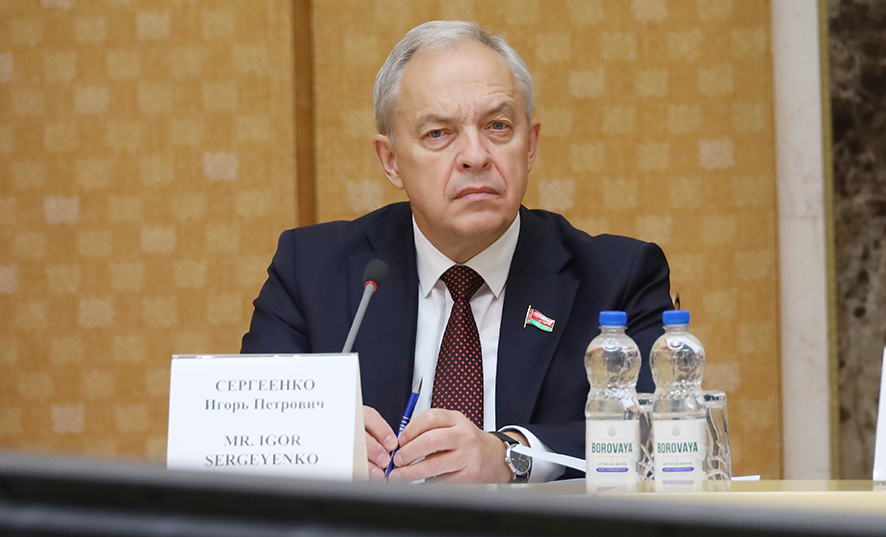
Addressing the Conference participants, the Chairperson of the House of Representatives of the National Assembly of the Republic of Belarus, Igor Sergeyenko, stated: «Eight decades later, humanity once again finds itself on the brink of catastrophe. This is being fueled by the irresponsible, revanchist policies of Western countries. Europe is actively militarizing itself, upsetting the military balance and rapidly bringing global conflict closer. At the same time, the ideas of Nazism, xenophobia and racial intolerance are becoming increasingly prominent in statements by Western politicians, which is paving the way for a repetition of the crimes of genocide and undermining the efforts of those who adopted the Convention».
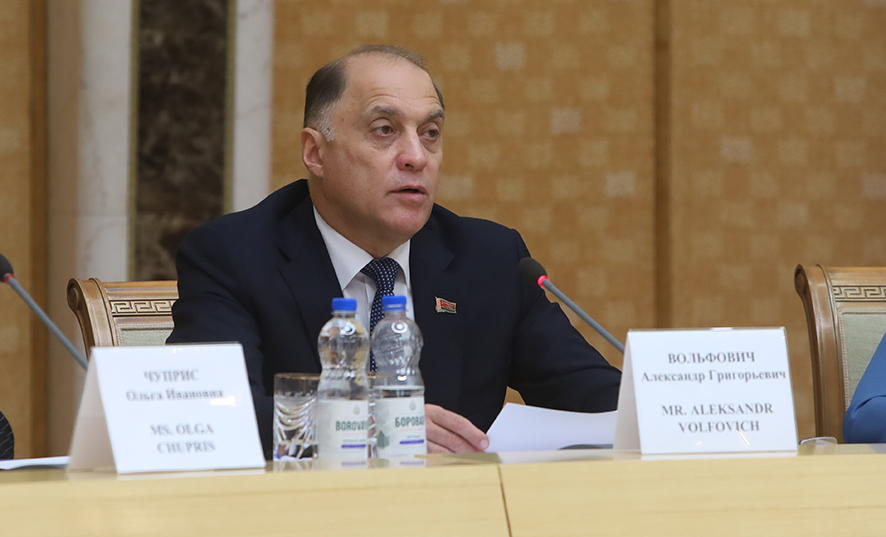
In his speech, the State Secretary of the Security Council of the Republic of Belarus, Aleksandr Volfovich, emphasized the exceptional importance of preserving historical memory: «Today, we are faced with attempts to rewrite the history of the Great Victory. Attempts are being made to whitewash Nazi criminals and their accomplices, even in countries that experienced fascism as their own history. Therefore, the issue of protecting historical memory has recently become increasingly relevant. Eighty years after the end of the Great Patriotic War, the significance of lessons of history is becoming increasingly clear. The crimes committed, now classified as genocide, must not only be remembered, but also talked about, and attempts to distort the historical truth must be resolutely suppressed».
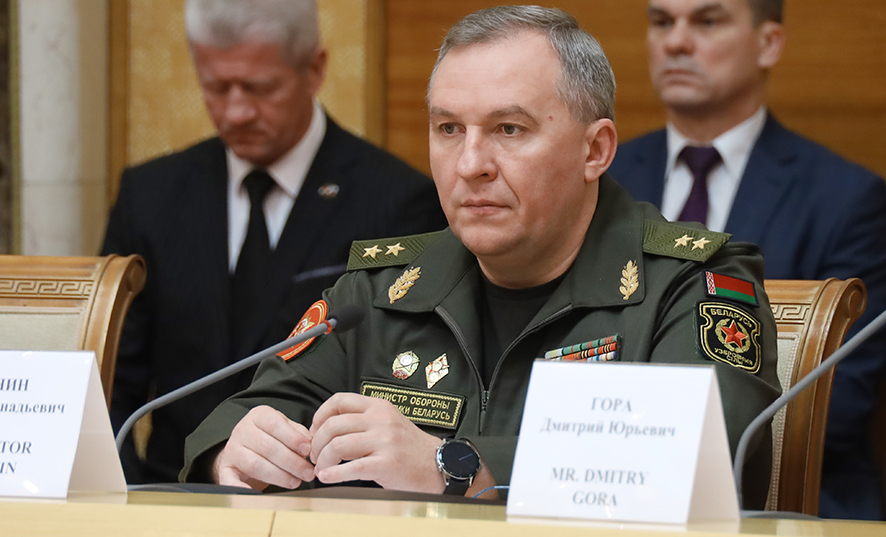
Welcoming the conference participants, the Minister of Defence of the Republic of Belarus, Viktor Khrenin, emphasized: «Today, when the entire world is passing through the «vortex» of a systemic geopolitical crisis and global tension, it is more important than ever to unite the efforts of all progressive forces of humanity to counter the spread of the most inhumane practices and the revanchist aspirations of the European «war party». Only together, as has happened so many times before in world history, can we prevent a new global catastrophe».
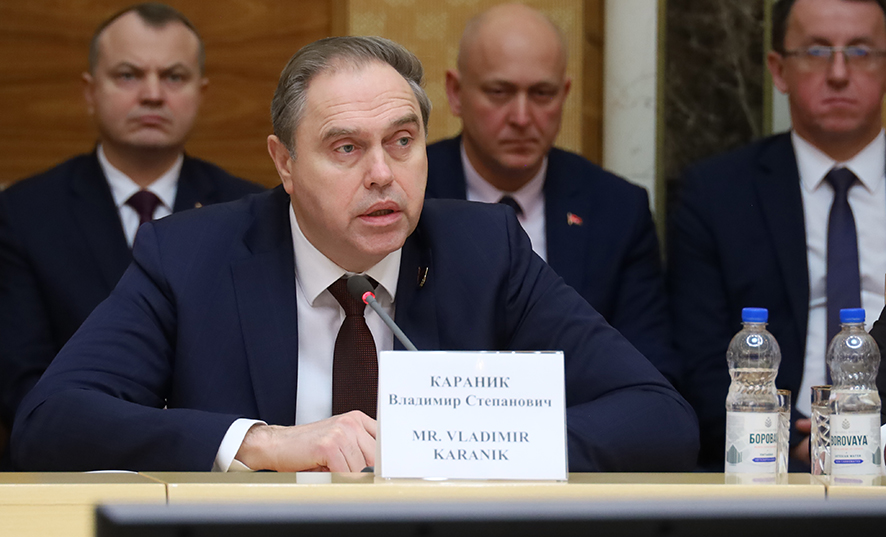
«For the sake of the memory of the past generation, for the sake of a bright future, we must remember the victims of genocide. Especially now, when attempts are being made to rewrite history, when fascism is once again raising its head. Our voice must be the voice of memory. Not for revenge, but for the sake of future generations. We cannot allow war to come to our common home again», – said Vladimir Karanik, Chairman of the Presidium of the National Academy of Sciences of Belarus.
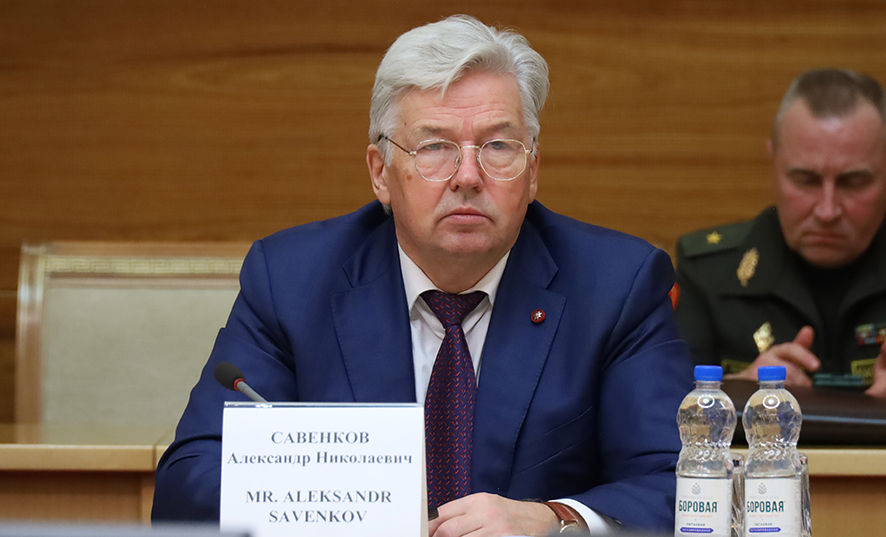
Representatives of the Russian Federation at the Conference included Aleksandr Savenkov, Director of the Institute of State and Law of the Russian Academy of Sciences and Academician of the Russian Academy of Sciences; Igor Matskevich, Rector of the Federal State Budgetary Educational Institution of Higher Education «University of the Prosecutor’s Office of the Russian Federation»; Aleksandr Nikonov, Director of the Central Museum of the Armed Forces of the Russian Federation; Oksana Solopova, Deputy Dean of the Faculty of History of M.V. Lomonosov Moscow State University; Sergey Kandybovich, Chairman of the Public Organization «Federal National and Cultural Autonomy of Belarusians of Russia», Academician of the Russian Academy of Sciences; and others.
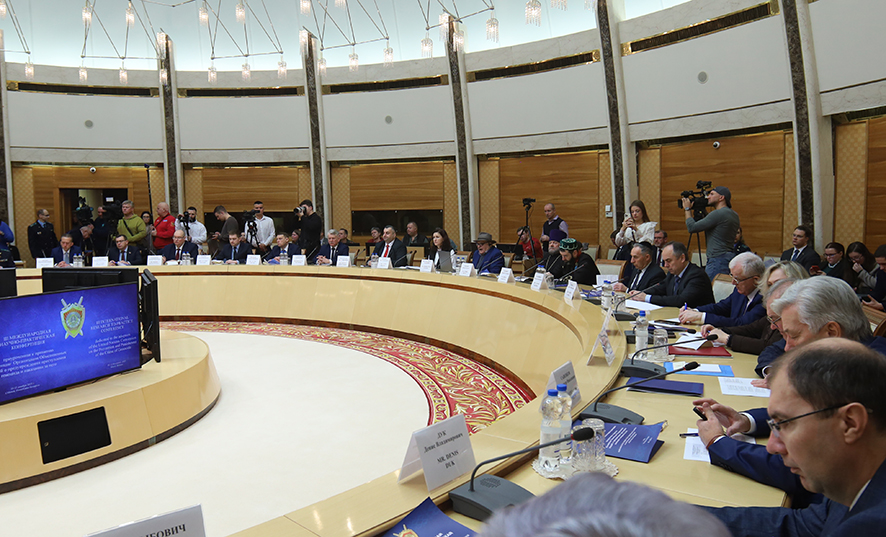
Representatives of several foreign countries also actively participated in the Conference, including Giambattista Cadoppi, Head of the Emilia-Romagna-Belarus Friendship Association; Krzysztof Tolwinski, Chairman of the FRONT political party (Poland); Nikoloz Mzhavanadze, Chairman of the Human Rights Defenders Association of Georgia; including via video-conferencing – Michael Cunningham, Director of the Geography of Genocide project (USA); Mladen Veselinov Ivanov, Chairman of the Bulgaria-Eurasia Association; and Voin Konstantinov Bojinov, Associate Professor at the Institute of Historical Research of the Bulgarian Academy of Sciences.
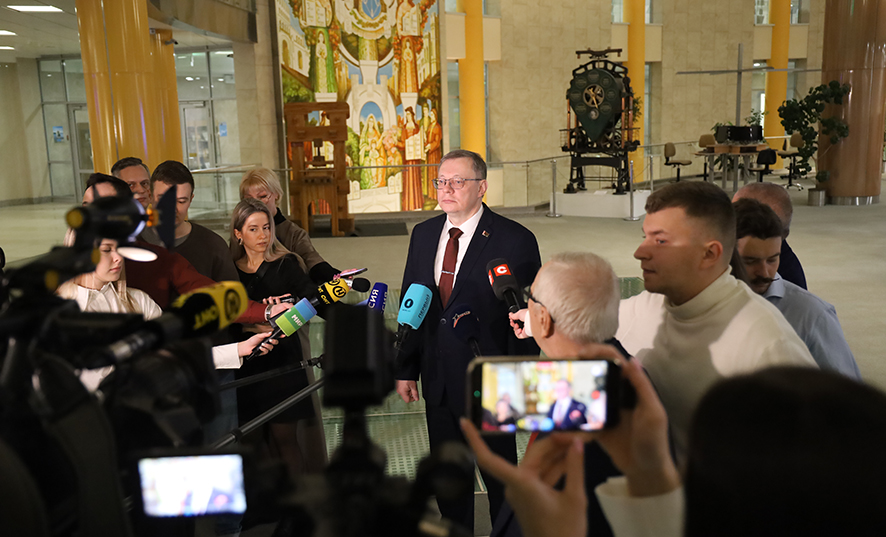
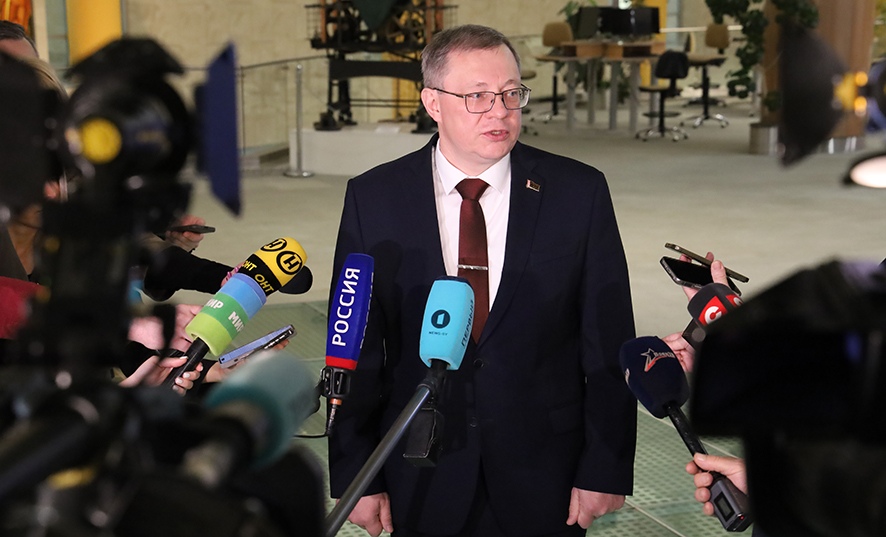
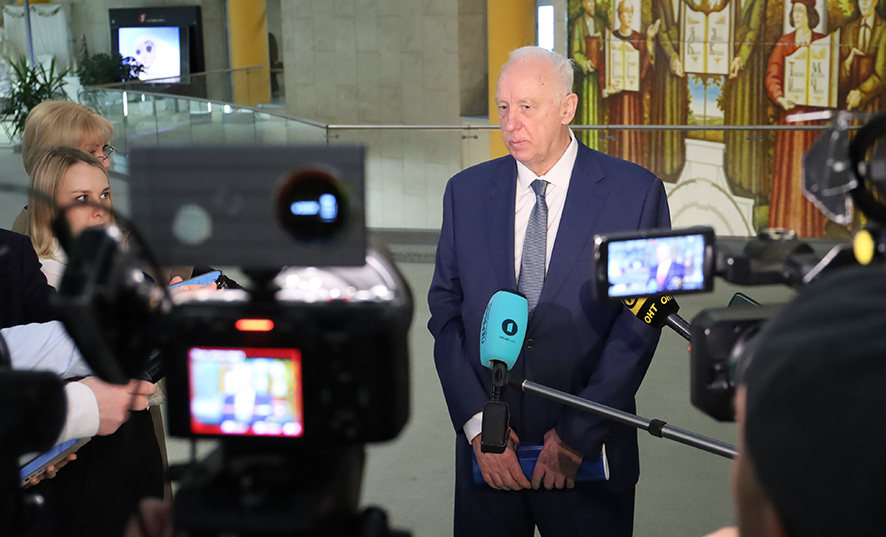
The Prosecutor General of the Republic of Belarus warmly thanked the conference participants and all «concerned people who are immersed in the topic of genocide, listening to, and closely following the progress of our conference». He wished everyone productive work, good health, and a peaceful sky. During the event, Andrei Shved, Aleksandr Bastrykin, Igor Sergeyenko, Viktor Khrenin, Sergey Kondratyev, Giambattista Cadoppi, Nikoloz Fridonovich Mzhavanadze, and Krzysztof Tolwinski spoke with media representatives.
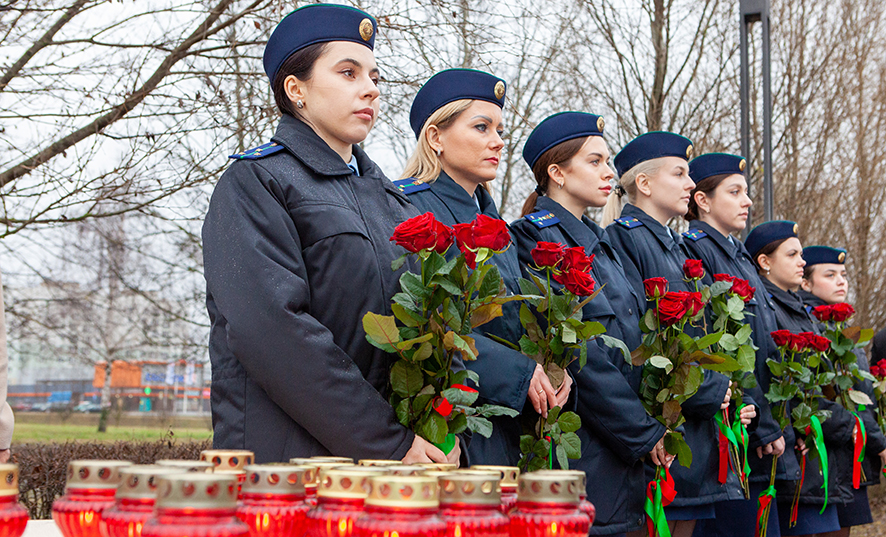
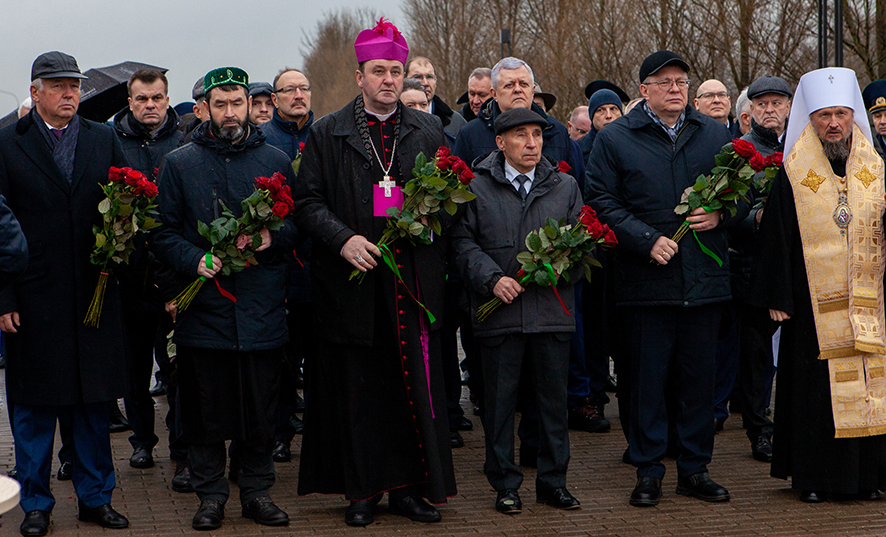
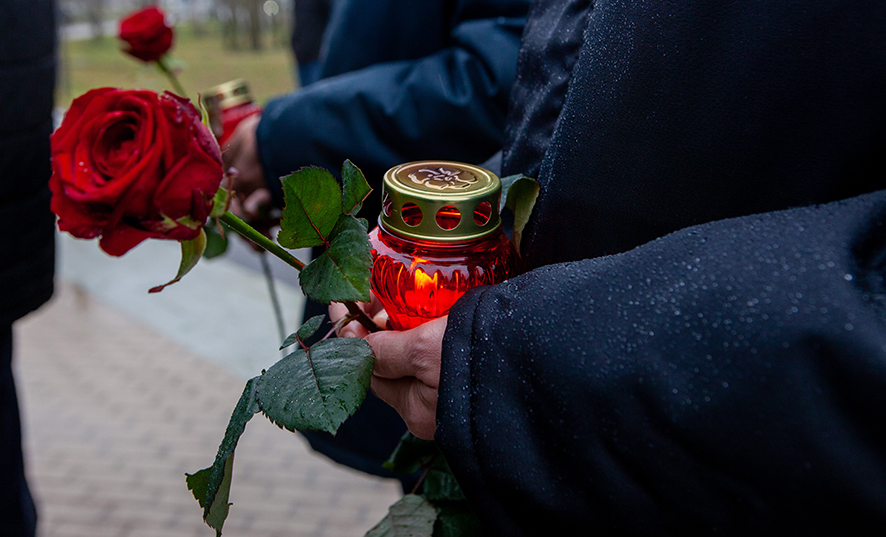
The event included a wreath-laying ceremony at the Trostenets Memorial Complex and a memorial prayer.
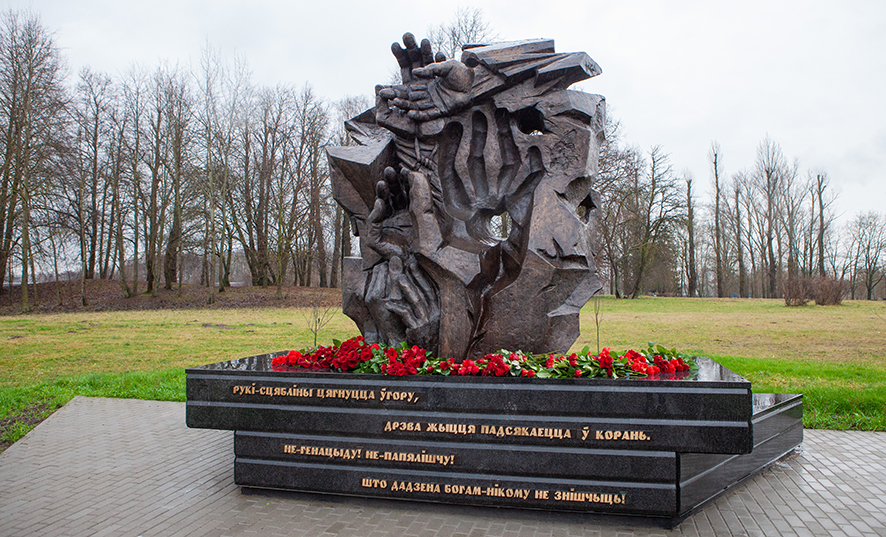
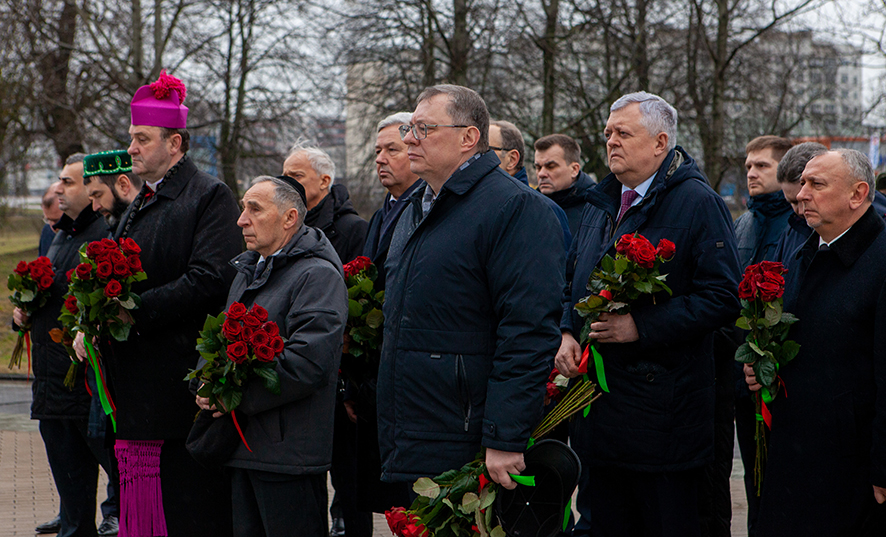
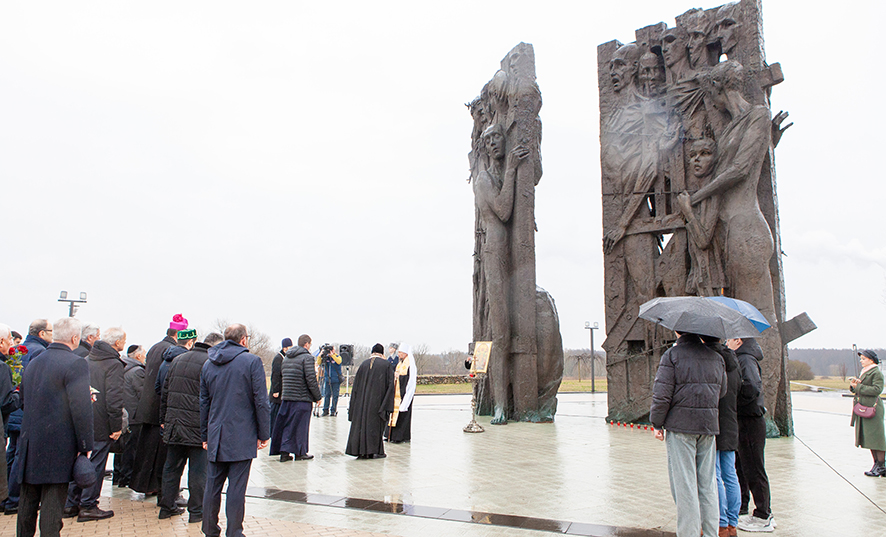
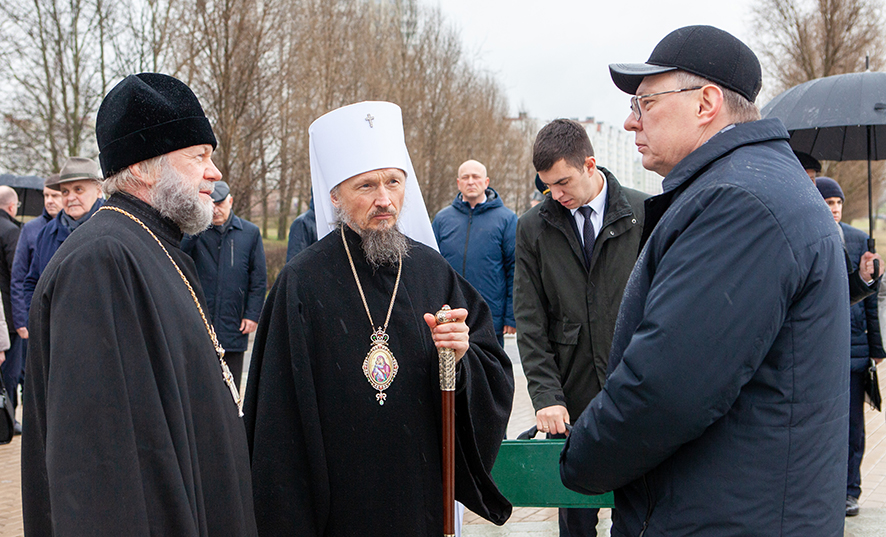
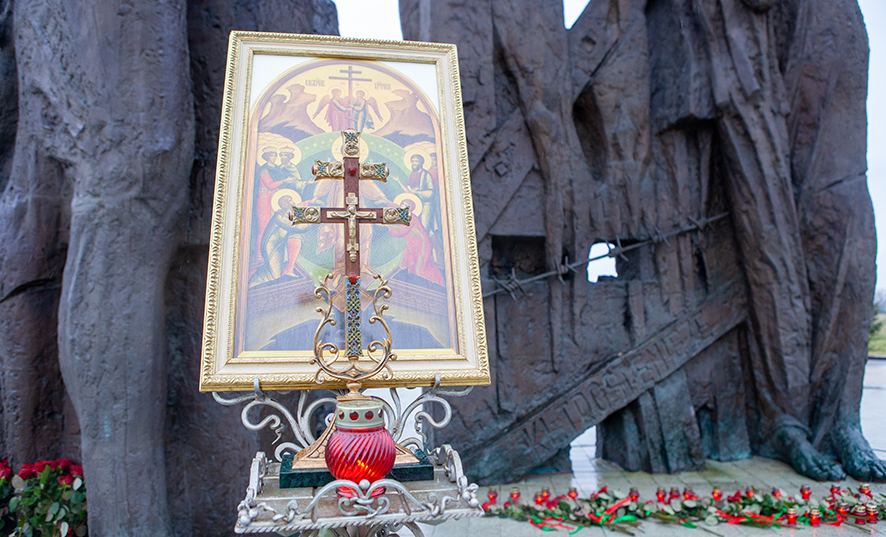
Photo: Prosecutor General's Office
Department of Interaction with the Media
Prosecutor General's Office
Other news
Development of cooperation in the legal sphere: Prosecutor General of Belarus Andrei Shved met with representatives of the Zimbabwe Anti-Corruption Commission
80-th anniversary of the Great Victory: Prosecutor General of the Republic of Belarus Andrei Shved took part in the ceremony of laying flowers and wreaths at the Victory Monument in Minsk
Main events
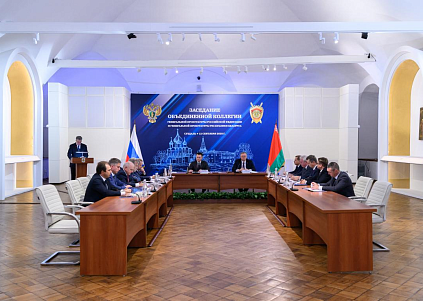
Strengthening traditional spiritual and moral values, perpetuating the memory of defenders of the Fatherland, victims of Nazism and fascism: a meeting of the Joint Collegium of the Prosecutor General’s Offices of Belarus and Russia was held in Suzdal
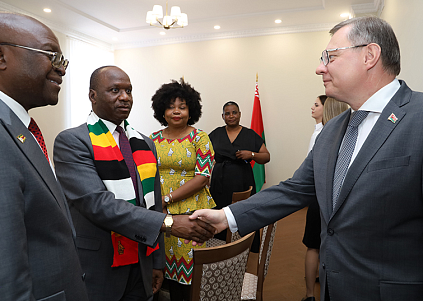
Development of cooperation in the legal sphere: Prosecutor General of Belarus Andrei Shved met with representatives of the Zimbabwe Anti-Corruption Commission
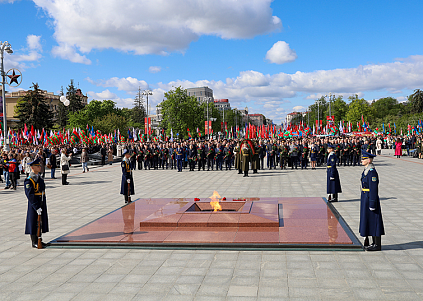
80-th anniversary of the Great Victory: Prosecutor General of the Republic of Belarus Andrei Shved took part in the ceremony of laying flowers and wreaths at the Victory Monument in Minsk