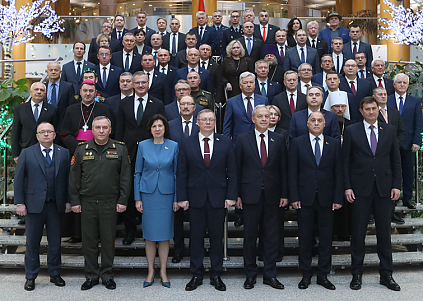
International Conference dedicated to the 77th anniversary of the adoption of the UN Convention on the Prevention and Punishment of the Crime of Genocide: results of the first day
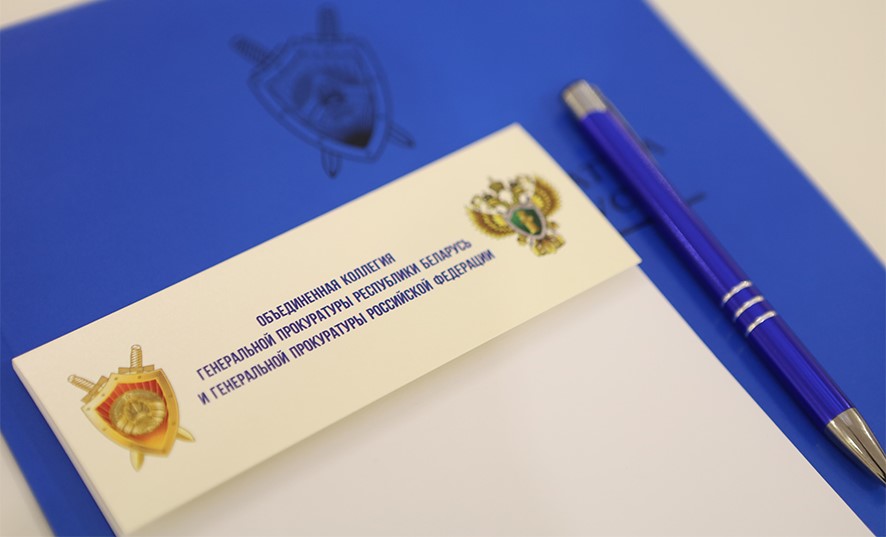
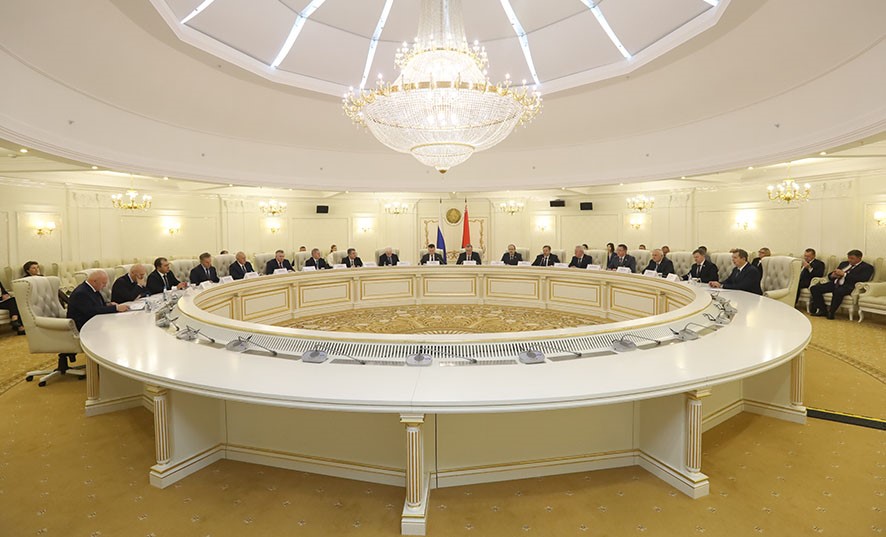
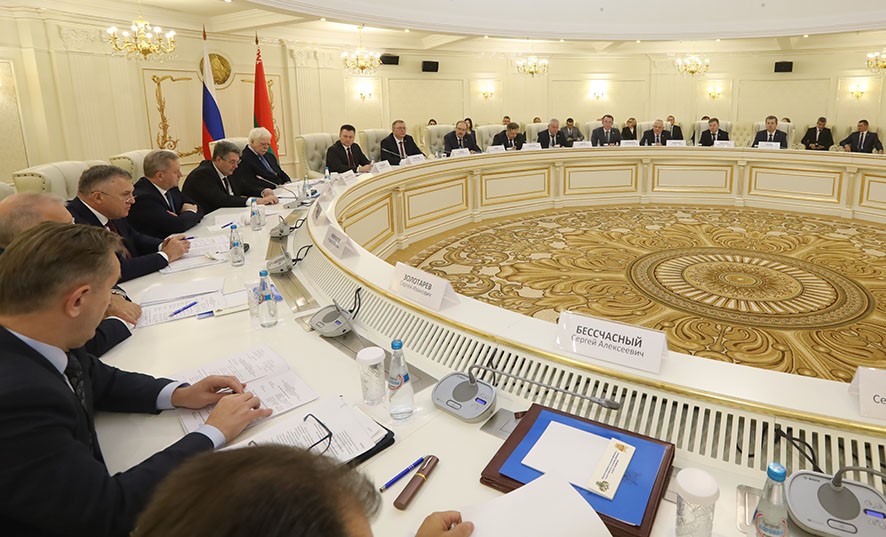
A meeting of the Joint Collegium of the Prosecutor General’s Office of the Republic of Belarus and the Prosecutor General’s Office of the Russian Federation (“the Joint Collegium”) was held under the chairmanship of the Prosecutor General’s Offices of Belarus and Russia to review the practice of prosecutorial supervision over the implementation of legislation when announcing persons who have committed crimes wanted and implementing their search.
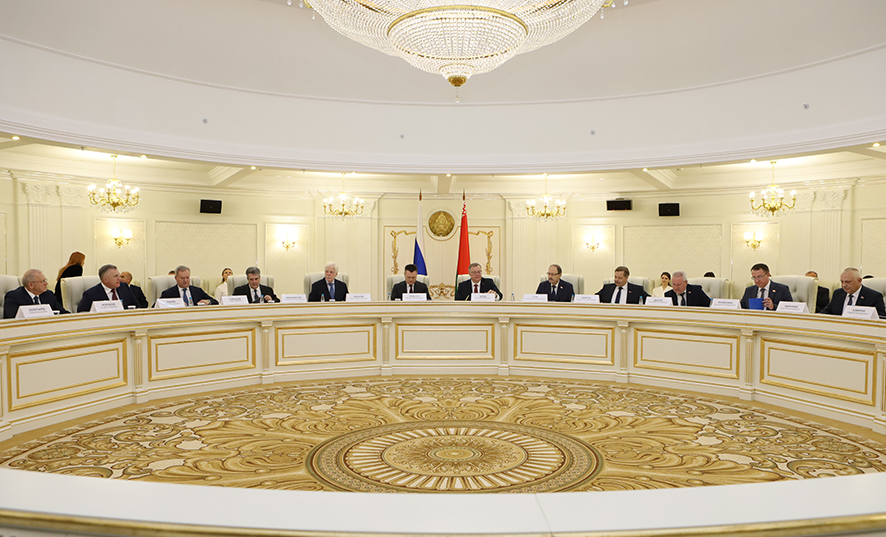
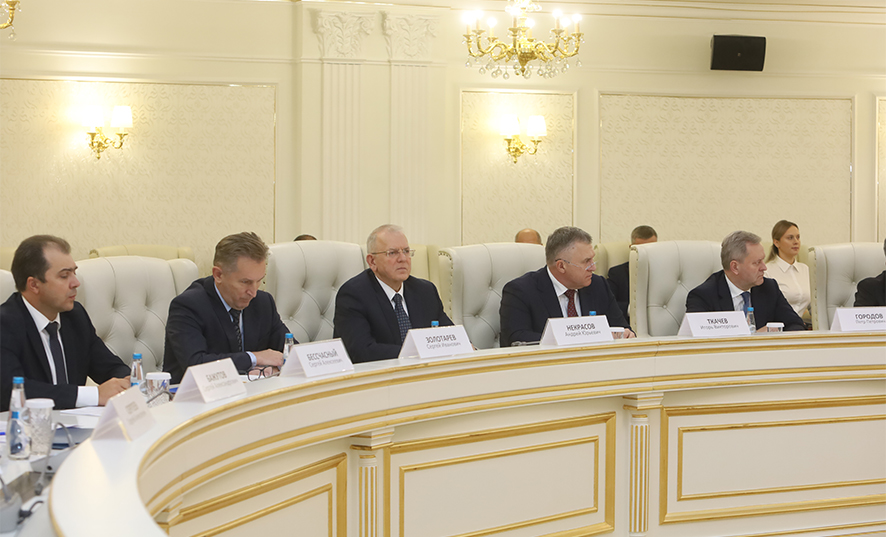
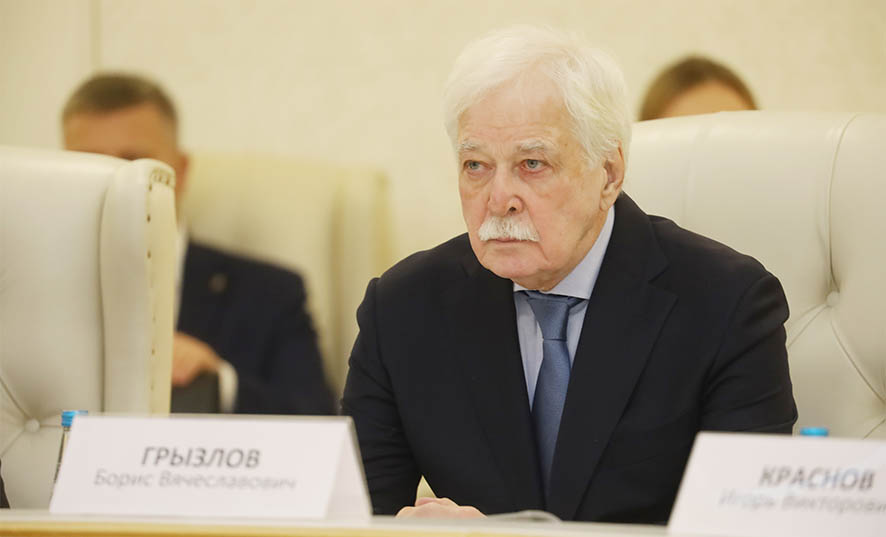
The meeting was attended by members of the Joint Collegium and other prosecutorial employees of the supervisory agencies, as well as the Ambassador Extraordinary and Plenipotentiary of the Russian Federation to the Republic of Belarus Boris Gryzlov.
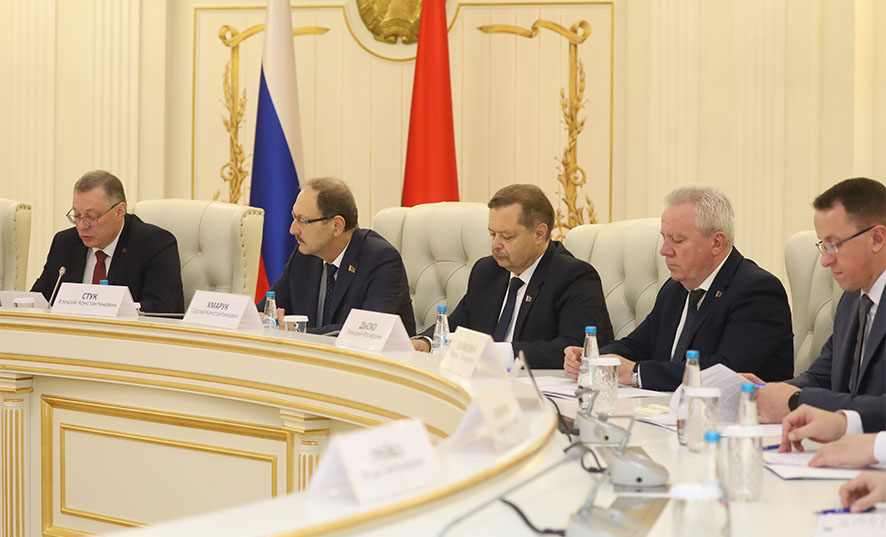
In his welcoming speech to his colleagues, Andrei Shved emphasized: “The Joint Collegium is a unique format within which we consider current issues of prosecutorial supervision, combating crime, strengthening the rule of law and law and order. The issues we raise serve as a basis for further work, including the harmonization of legislation in the criminal and other spheres.”
“Proper work on the search for accused in criminal cases and convicted persons evading service of sentence allows us to ensure the implementation of the principle of the inevitability of criminal liability in practice,” he stated.
At the same time, the head of the Belarusian supervisory agency noted that Western countries often make politically motivated decisions and, on unsubstantiated grounds, refuse to extradite persons, including those who have committed drug crimes, crimes against property, serious crimes against human life and health, as well as society and the State.
The Prosecutor General of the Republic of Belarus outlined a number of other issues, the solution of which requires the adoption of additional organizational and practical measures at the national and interstate levels.
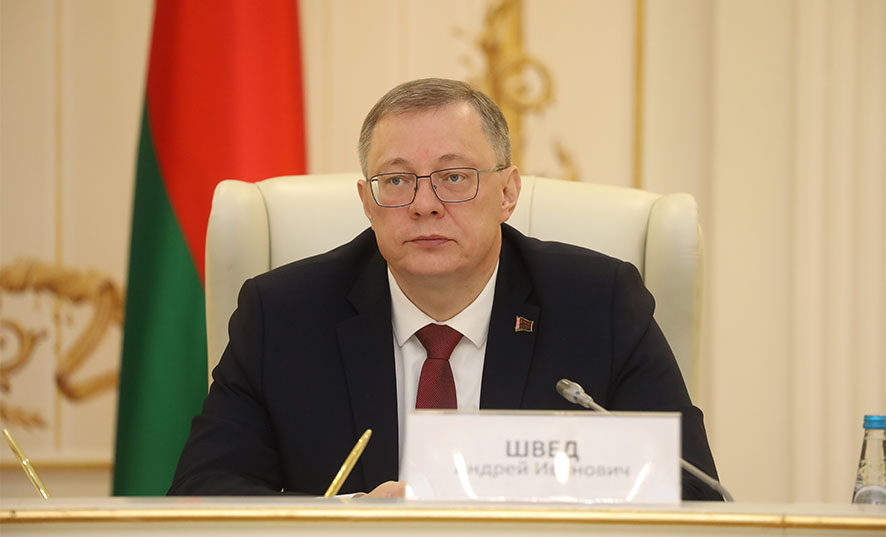
“I believe that the current meeting of the Joint Collegium will help eliminate problematic issues, strengthen our mutual understanding and interaction, and develop additional measures to ensure the search for criminals,” concluded Andrei Shved.
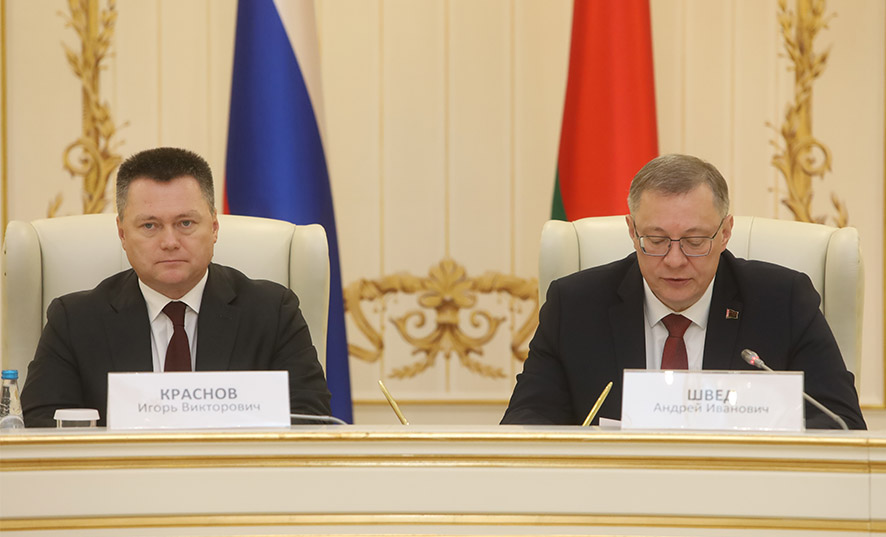
In turn, the Prosecutor General of the Russian Federation Igor Krasnov, addressing the participants of the meeting, emphasized: “The issue under consideration today is relevant for the prosecutor’s offices of both countries, since, despite the high level of interaction between us on issues of organizing the search for persons who have fled from justice, we are faced with similar problems that require synchronization of efforts.”
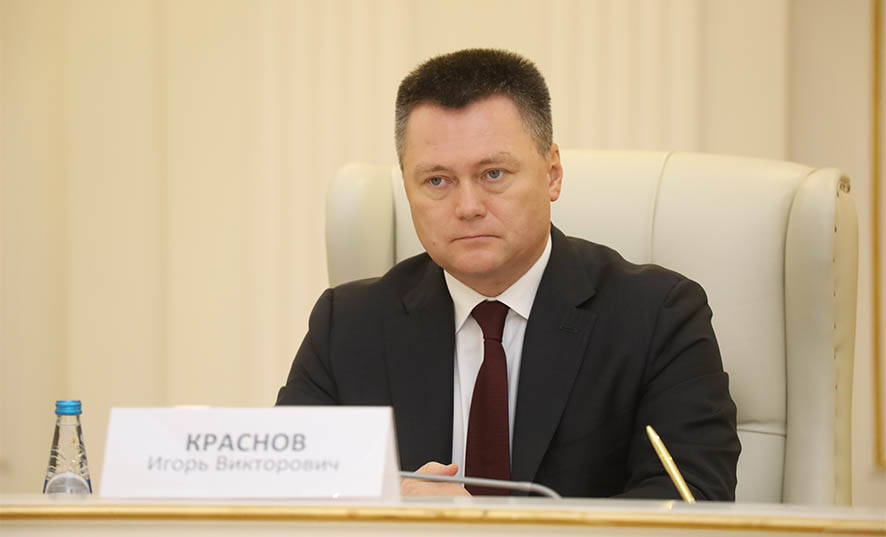
Igor Krasnov also called the attitude of the competent authorities of some foreign States and international structures to cooperation in the criminal law sphere in general and the extradition of persons who have committed crimes in particular unconstructive and politically biased.
The keynote report was delivered by Deputy Prosecutor General of the Republic of Belarus Sergei Khmaruk, who provided basic statistical information, identified specific shortcomings and obstacles, including procedural ones, that reduce the effectiveness of work on the search for persons and ensuring their prosecution.
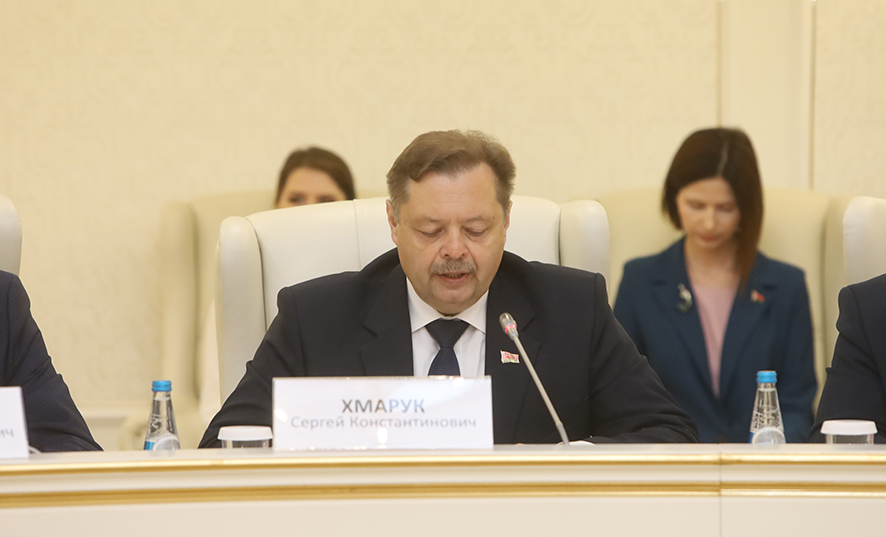
Proposals for adjusting national legislation and interstate norms were specifically examined. “The Parliament received initiatives from the Prosecutor General’s Office of the Republic of Belarus to amend and supplement the Code of Criminal Procedure in terms of the procedure for making decisions on terminating the search for accused persons,” Sergei Khmaruk informed.
In the follow-up to the meeting, colleagues proposed to conduct a revision of criminal cases on crimes committed by Belarusians in the Russian Federation and Russians in the Republic of Belarus, respectively. It was decided to study the possibility of sending them to the competent authorities of the country of their citizenship for criminal prosecution.
Then, Deputy Prosecutor General of the Russian Federation Nikolai Vinnichenko made a report, highlighting the main problematic aspects of the search for persons who have fled from justice faced by the Russian side.
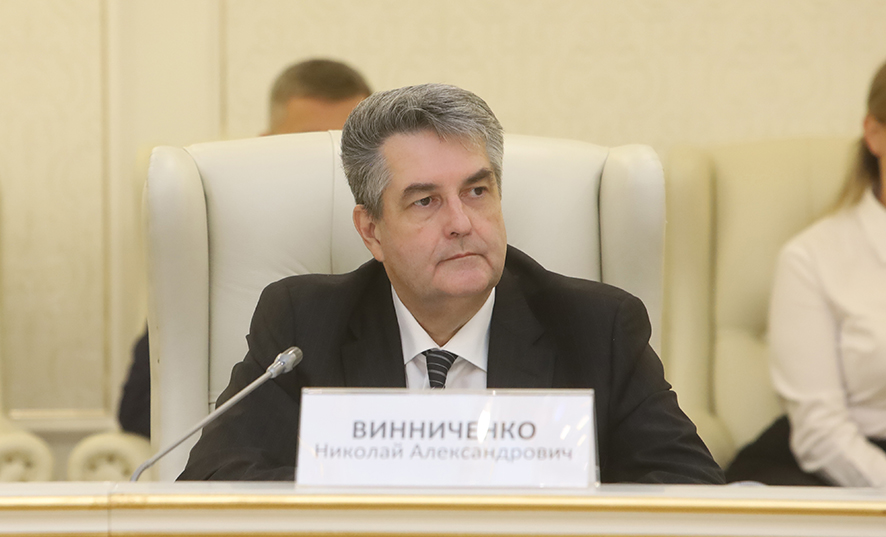
He pointed out that “The development of modern information technologies, the growth of migration and other global processes not only affect the quality of people’s lives, but also pose new challenges to law enforcement.”
The participants of the Joint Collegium agreed that the decisions made at the meeting are not just theoretical in nature, they are distinguished by a purely practical focus. It was stated that the harmonization of the national legislation of the two countries will allow for more effective combating of crime, including the search for absconding persons, which will contribute to the protection of the interests of society and the State, the protection of the rights and legitimate interests of citizens of both countries.
Following the meeting, decisions of the Joint Board were prepared regarding the adoption of joint measures when declaring and implementing the search for wanted persons who have committed crimes.
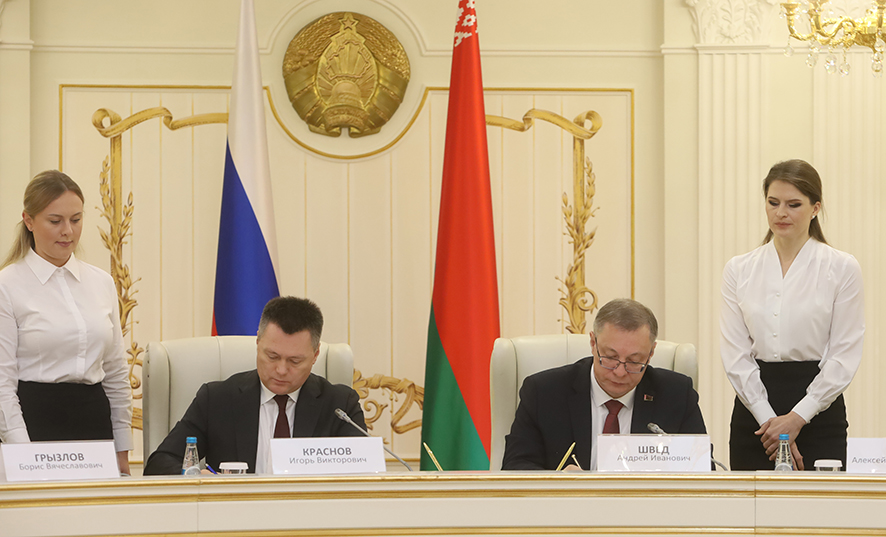
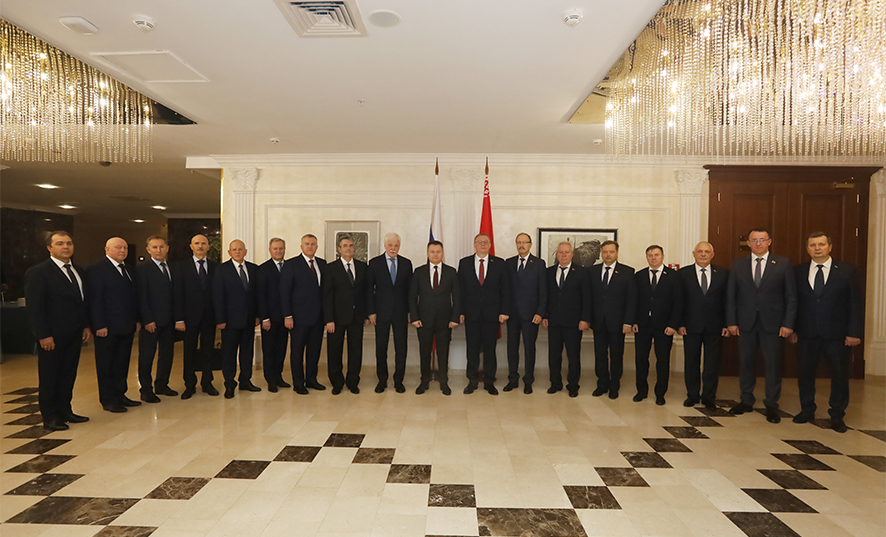
The meeting of the Joint Board ended with a commemorative photo session.
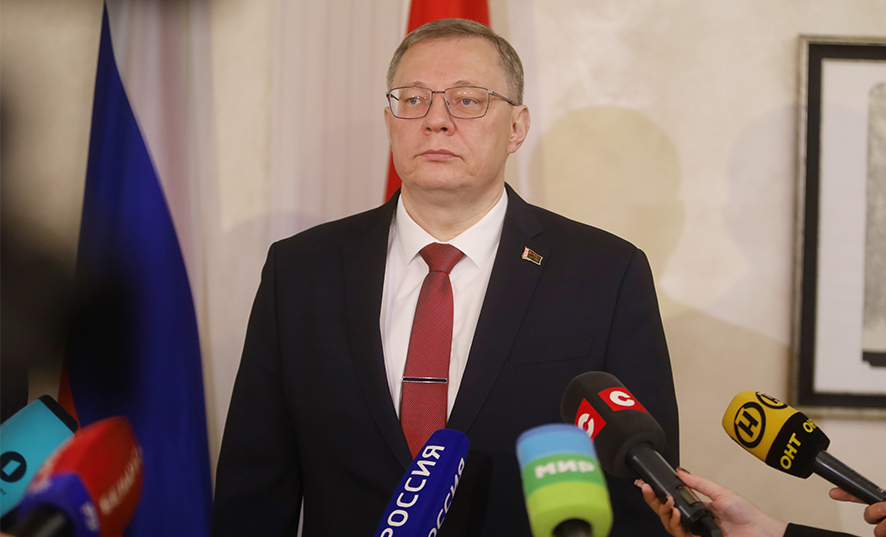
As part of the event, the Prosecutor General of the Republic of Belarus Andrei Shved spoke with representatives of the media and answered their questions.
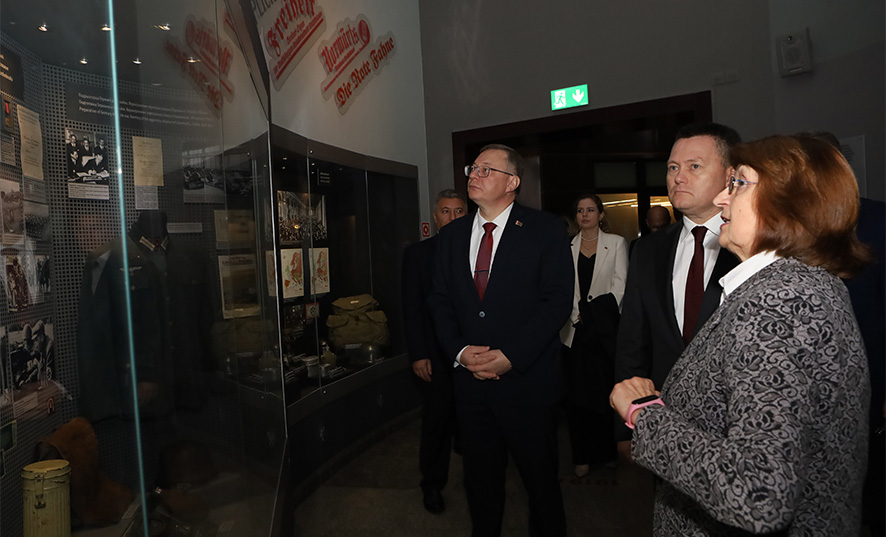
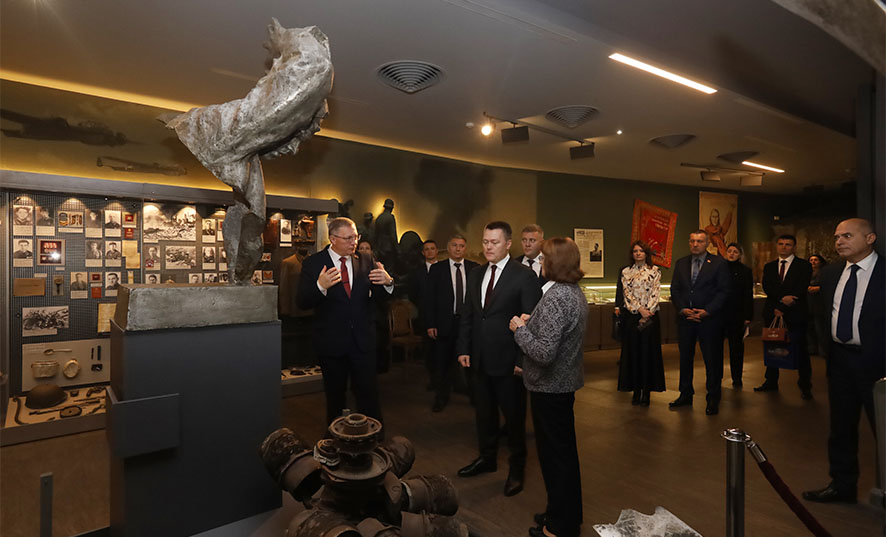
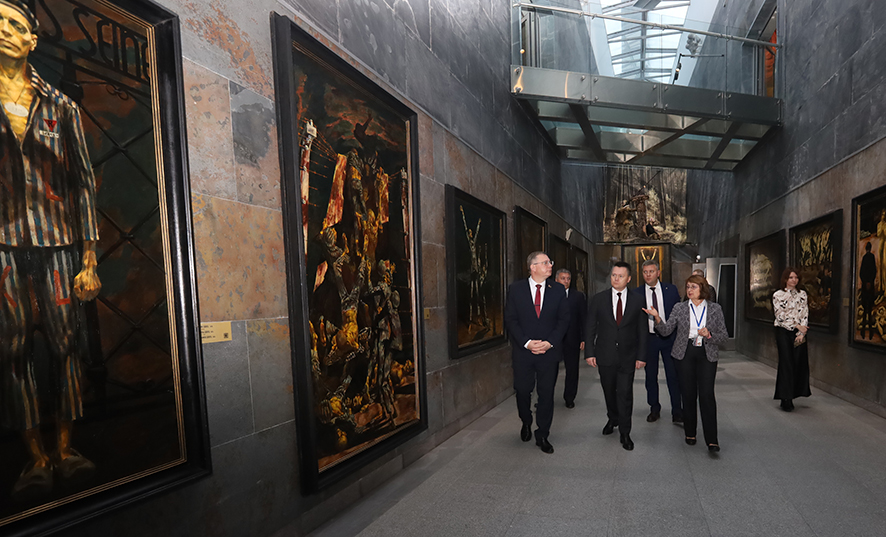
In the year of the celebration of the 80th anniversary of the liberation of Belarus from the Nazi invaders, members of the delegations of the Prosecutor General’s Offices of Belarus and Russia visited the Belarusian State Museum of the History of the Great Patriotic War, which recently celebrated its anniversary. The honored guests were shown unique exhibits, told about the institution’s projects aimed at preserving the historical truth and memory of the Belarusian people.
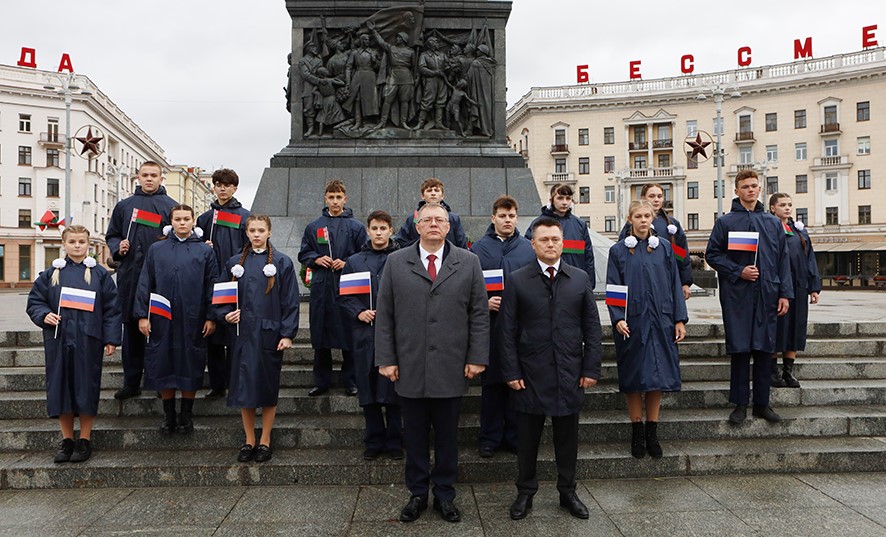
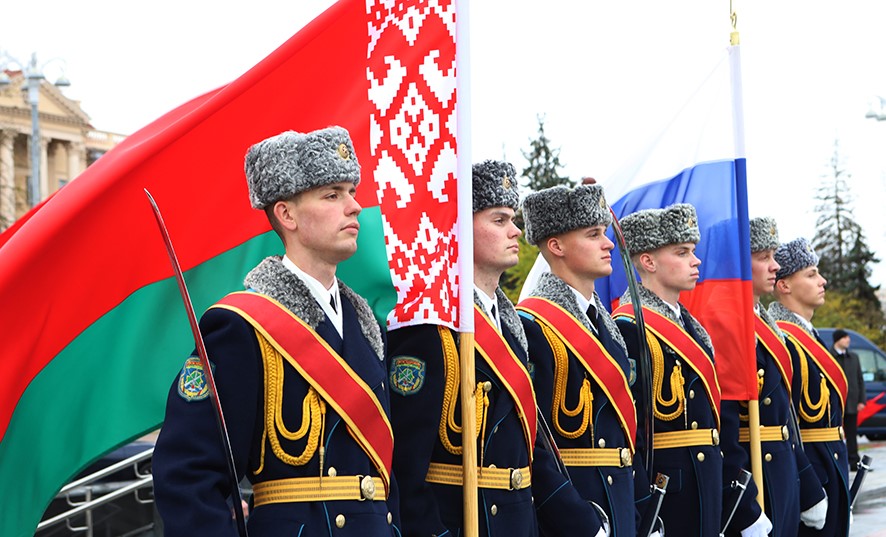
Then Andrei Shved and Igor Krasnov honored the memory of those slain in the war with a minute of silence and laid flowers at the Victory Monument in Minsk.
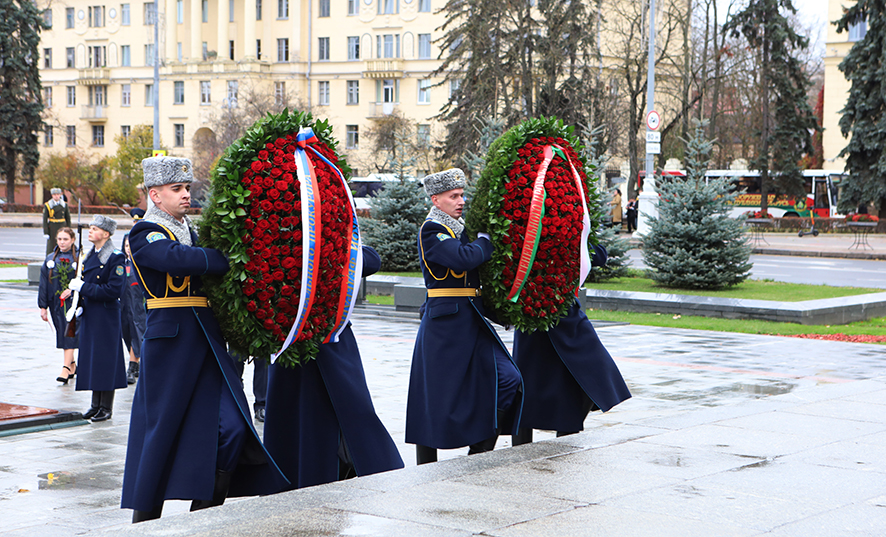
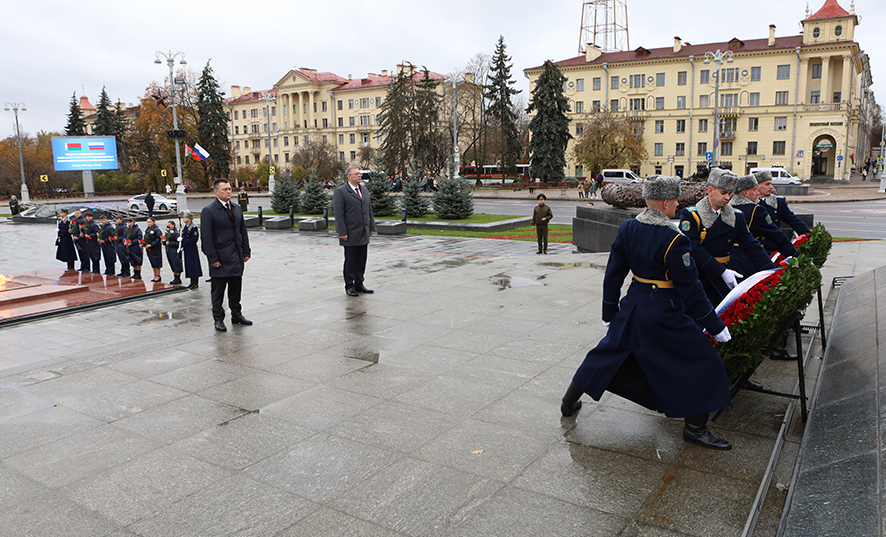
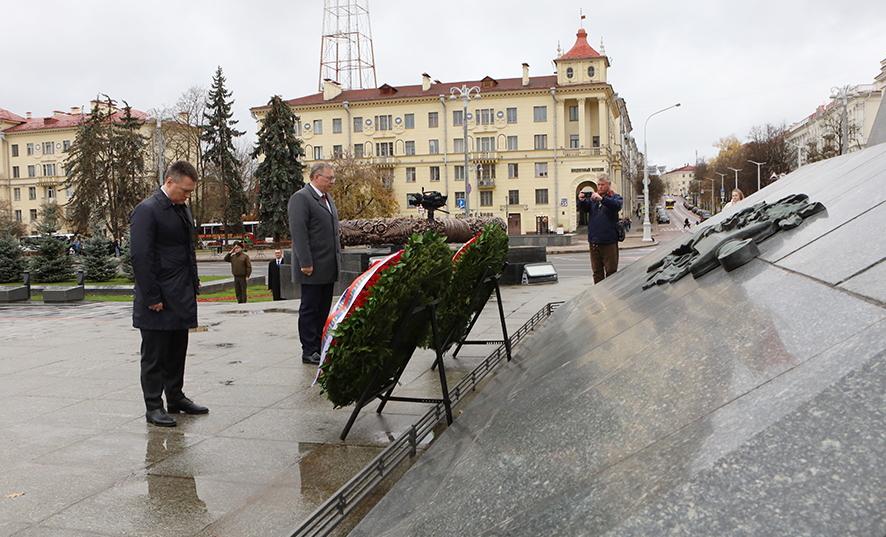
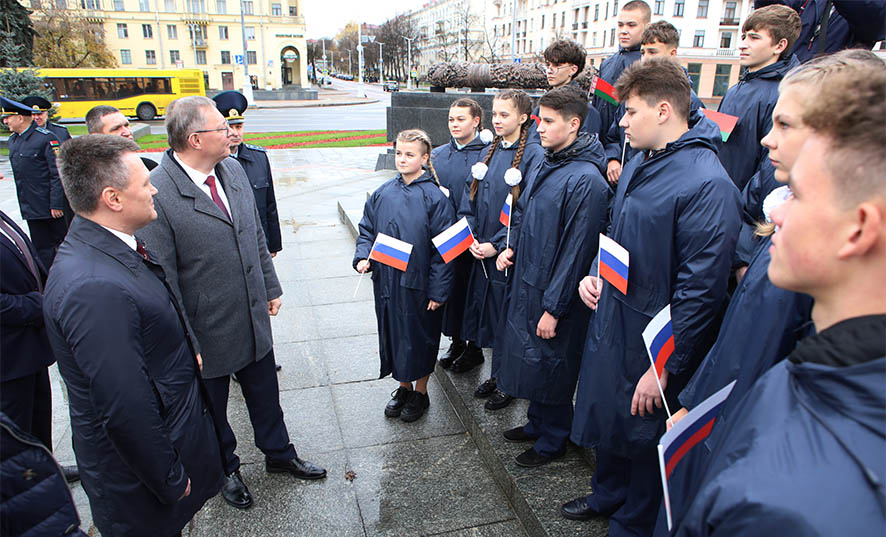
Photo: Prosecutor General’s Office
Department for Interaction
with Mass Media
of the Prosecutor General’s Office
Other news
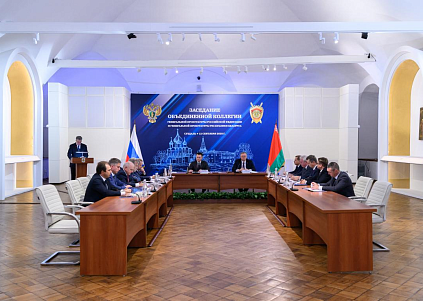
Strengthening traditional spiritual and moral values, perpetuating the memory of defenders of the Fatherland, victims of Nazism and fascism: a meeting of the Joint Collegium of the Prosecutor General’s Offices of Belarus and Russia was held in Suzdal
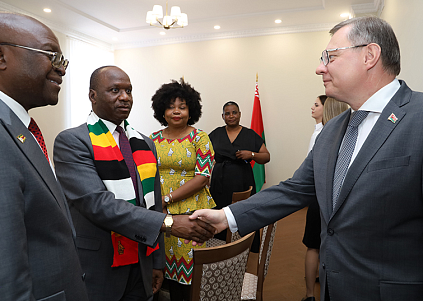
Development of cooperation in the legal sphere: Prosecutor General of Belarus Andrei Shved met with representatives of the Zimbabwe Anti-Corruption Commission
Main events
International Conference dedicated to the 77th anniversary of the adoption of the UN Convention on the Prevention and Punishment of the Crime of Genocide: results of the first day
Strengthening traditional spiritual and moral values, perpetuating the memory of defenders of the Fatherland, victims of Nazism and fascism: a meeting of the Joint Collegium of the Prosecutor General’s Offices of Belarus and Russia was held in Suzdal
Development of cooperation in the legal sphere: Prosecutor General of Belarus Andrei Shved met with representatives of the Zimbabwe Anti-Corruption Commission